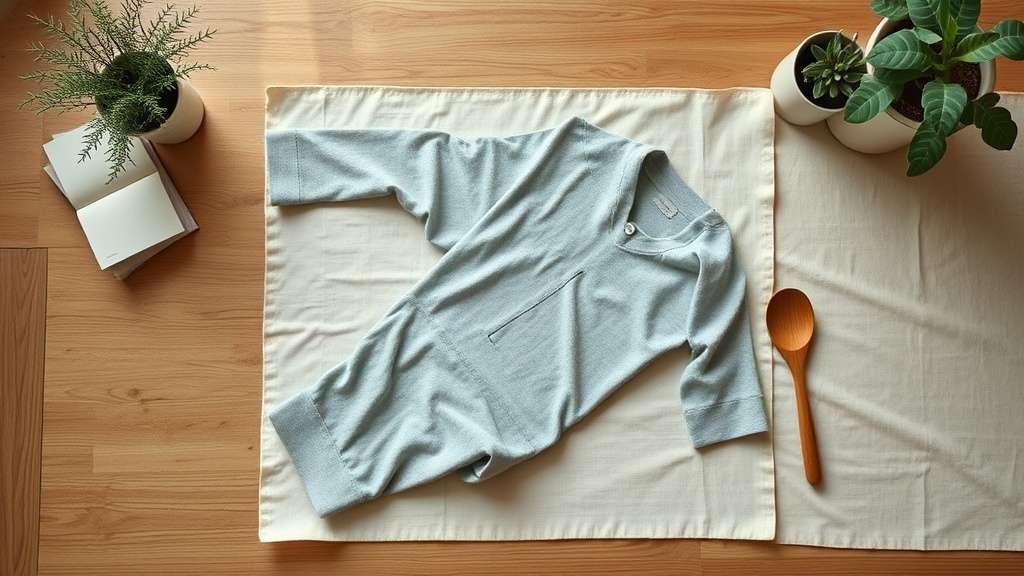
Is it safe to wear flame-retardant-treated kids pajamas to bed?
Avoid treated sleepwear when snug cotton pajamas are available. Overnight heat and sweat make fabric contact matter.
What is in it
Some children's sleepwear is marketed as flame resistant. Some treated textiles can contain organophosphate esters, a group that includes chemicals used as flame retardants and plasticizers.
Pajamas touch skin for hours. Warmth, sweat, and friction make sleepwear a higher-priority textile swap than a costume worn once.
What the science says
A 2025 Science of the Total Environment study found organophosphate esters in all sampled household textiles and children's garments. Sweat increased modeled dermal absorption up to 835-fold for OPEs compared with dry contact.
The study was not a pajama-only test. It does support caution with treated children's textiles worn against skin for long periods.
What to do
Choose snug-fitting cotton or organic cotton pajamas when available. Wash new pajamas before first wear. Avoid sleepwear with strong chemical smells after washing, and skip added stain-resistant or flame-resistant marketing when a simpler cotton option works.