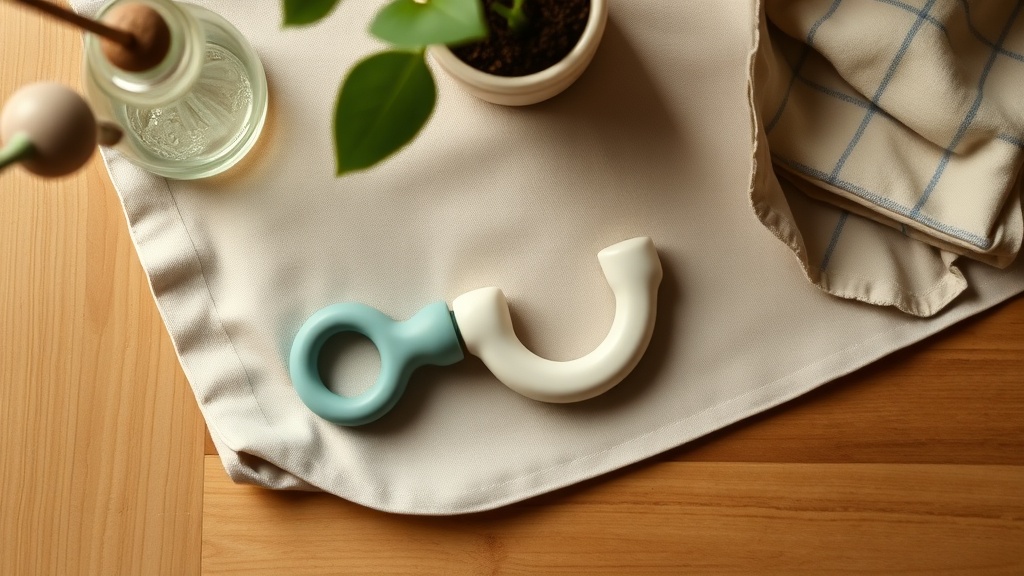
Is it safe to use plastic teethers for babies?
Choose plastic teethers carefully. Products meant for chewing can still release bisphenols in saliva testing.
What is in it
Plastic teethers and other mouth-contact baby products can contain BPA, BPF, BPS, or other bisphenols. Babies chew these products with saliva for long periods, so oral migration matters.
The old page singled out polypropylene and medical-style labels. The source does not prove that exact claim. The better rule is to treat unknown plastic mouth products with caution.
What the research says
A 2025 Chemosphere study tested 162 children's products from the Swiss market with artificial saliva. The study found widespread bisphenol release. Oral-support and feeding-accessory products had higher migration than several other product groups.
The study also shows why a label alone is not enough. Real saliva-contact testing matters more than a safe-looking package.
What to do
For teething, choose solid maple or beechwood teethers, platinum-cured silicone teethers, or a clean wet washcloth chilled in the fridge.
Skip PVC, unknown plastic, strong-smelling imports, and old teethers with cracks or sticky spots. Replace any mouth-contact product at the first sign of wear.
The research at a glance
| Study | Journal | Year |
|---|---|---|
| Assessing bisphenols migration from children's products on the Swiss market: simulated oral exposure and risk implications. | Chemosphere | 2025 |