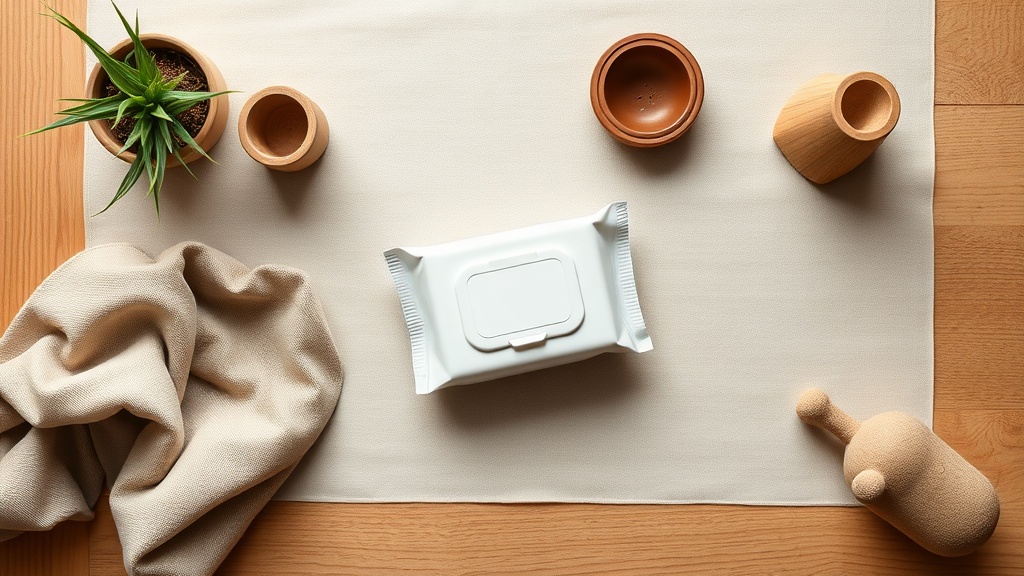
Is it safe to use benzalkonium disinfectant wipes on kids' toys every day?
Use caution. A 2026 study found benzalkonium compounds can inhibit an enzyme involved in cortisol metabolism in human and rat models.
What's actually in it
Benzalkonium chloride is a quaternary ammonium compound, or QAC. It is used in many disinfecting wipes, sprays, and surface cleaners.
When wipes are used on toys, residue can stay on the surface. Kids touch toys, mouth toys, and then put their hands in their mouth.
What the research says
A 2026 study in Bioorganic Chemistry tested benzalkonium compounds in human and rat models. The study found several BACs inhibited 11 beta-hydroxysteroid dehydrogenase type 2, an enzyme involved in cortisol metabolism.
C16 BAC was the strongest suppressor in the study. The authors described BACs as emerging endocrine disruptors that deserve safety guideline review.
What to do at home
For normal toy cleaning, use warm water, simple soap, and a cotton cloth. Rinse toys that may go in a child's mouth.
Use disinfectants when someone is sick or when there is a real contamination concern. After disinfecting, follow the label contact time, then rinse food-contact or mouth-contact toys with water when the material allows.