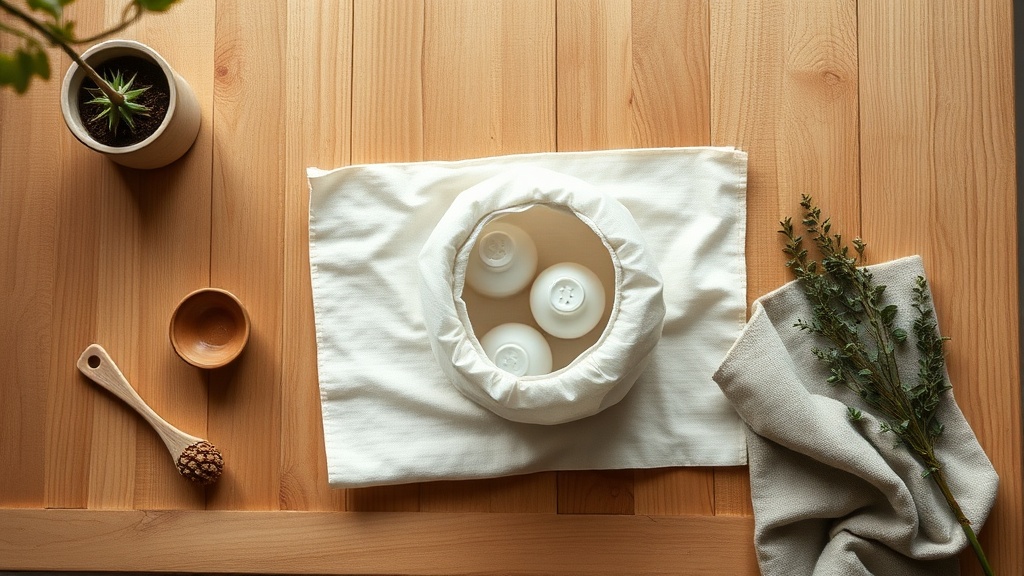
Is it safe to sterilize baby bottles in the microwave steam bag?
It works for germ control when used as directed, but plastic plus high heat is not the best daily setup for baby feeding gear.
What to know
Microwave steam bags are plastic pouches that trap hot steam around baby bottles, nipples, and pump parts. Steam can help sanitize feeding items. CDC says steaming is one accepted sanitizing method when you follow the maker's instructions.
The concern is repeated heat around plastic. A steam bag adds one plastic surface, and many bottles or pump parts are also plastic. If your baby is younger than 2 months, premature, or has a weak immune system, sanitizing matters. The goal is to sanitize without making plastic plus heat the default for months.
What the research says
CDC infant feeding guidance says daily sanitizing is most important for babies younger than 2 months, premature babies, or babies with a weakened immune system. CDC lists boiling, steaming, dishwasher sanitizing, and bleach solution as options.
A 2025 J Agric Food Chem study measured nanoplastic release from polypropylene food containers into hot and cold water. A microwave steam bag is not the same product, but the study supports a practical rule: reduce repeated hot-water contact with plastic when you can.
Use microwave steam bags as an occasional travel or backup tool. For daily routines, wash carefully first, then use a dishwasher sanitize cycle for dishwasher-safe parts or boil compatible feeding items in a stainless steel pot. Replace cracked, cloudy, or scratched plastic parts.
The research at a glance
| Study | Journal | Year |
|---|---|---|
| How to Clean, Sanitize, and Store Infant Feeding Items Frequently Asked Questions | CDC | 2024 |
| Release of Nanoplastics from Polypropylene Food Containers into Hot and Cold Water. | J Agric Food Chem | 2025 |