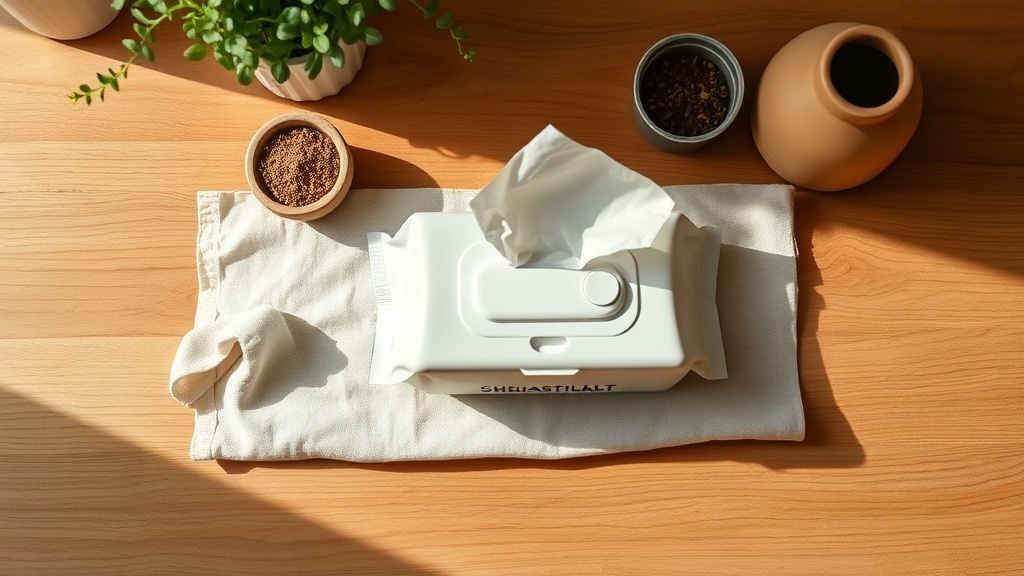
Can baby wet wipes contain phthalates?
Use caution with scented or unclear wet-wipe labels, and use cloth with water when practical.
What's actually in it
Baby wet wipes are usually made from nonwoven material plus water, preservatives, cleansing agents, and sometimes fragrance. Some products can also contain phthalates, a group of plasticizers and fragrance-related chemicals.
Wet wipes touch sensitive skin often, so parents deserve clear labels and low-contaminant products. For diaper changes at home, a soft cloth and water can reduce reliance on packaged wipes.
What the research says
A 2026 study in Journal of Environmental Science and Health, Part A tested 15 wet-wipe samples for 11 phthalate derivatives using LC-MS/MS.
Diethyl phthalate (DEP) was detected in every sample. 5 samples contained additional phthalates. The study reported that non-carcinogenic margins of safety were within accepted limits and lifetime cancer risk for DEHP was below the accepted threshold. It also found DEHP and DBP in ways the authors described as regulatory noncompliance under European Union and Turkish cosmetic rules.
This does not show that every wet wipe is dangerous. It does show why labels and simpler routines matter. Practical move: choose unscented wipes with clear ingredient lists for travel, and use a soft washcloth with water at home when you can.
The research at a glance
| Study | Journal | Year |
|---|---|---|
| Detection of phthalate compounds in wet wipes using LC-MS/MS: risk assessment and LC-QTOF/MS findings. | J Environ Sci Health A Tox Hazard Subst Environ Eng | 2026 |
What to use instead
Browse our curated non-toxic alternatives. Every product is third-party certified.
Shop Non-Toxic Baby