Can Plastic Food-Contact Chemicals Raise Breathing Concerns For Babies?
Plastic containers can be a source of food-contact chemicals such as BPA. Pregnancy research links some bisphenols and phthalates with more asthma-like symptom episodes in infancy.
What is the concern?
Plastic food-contact materials can contain or release endocrine-disrupting compounds such as BPA and phthalates. These are not only food-storage concerns, but food storage is one place where families can make a simple swap.
For babies, the key question is pregnancy exposure. A developing baby can be exposed to some chemicals measured in the pregnant parent's body.
What the research says
A 2025 Journal of Xenobiotics review found that compounds can migrate from plastic containers used for food and medicine. The review named phthalates and endocrine-disrupting compounds such as BPA among the most studied substances.
A 2026 Environmental Research cohort study measured bisphenol and phthalate metabolites during pregnancy and followed infants through the first year. The study did not find links with ever having wheezing, shortness of breath, or respiratory infections. It did find that higher pregnancy-averaged levels of BPF, BPS, and some high molecular weight phthalates were linked with more episodes of asthma-related symptoms.
What this means at home
This does not prove that one plastic container causes breathing problems. It does show why reducing avoidable plastic food contact is reasonable during pregnancy and baby feeding.
Choose glass for leftovers, baby food prep, and snacks. Avoid heating food in plastic. Focus first on containers used for warm or oily foods.
The research at a glance
What to use instead
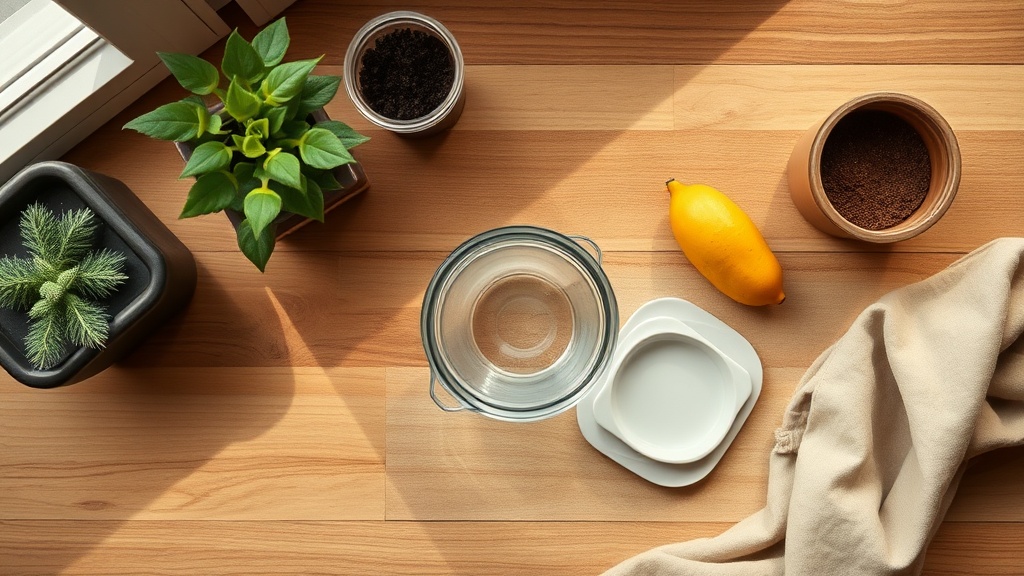
Glass storage helps lower the amount of plastic touching food, especially for leftovers, snacks, and foods that may be warmed later.
Shop Non-Toxic Kitchen