Are wooden teething rings safer than silicone ones?
Plain hardwood can be a good teether material, but only when the ring is made for chewing and kept smooth.
What to know
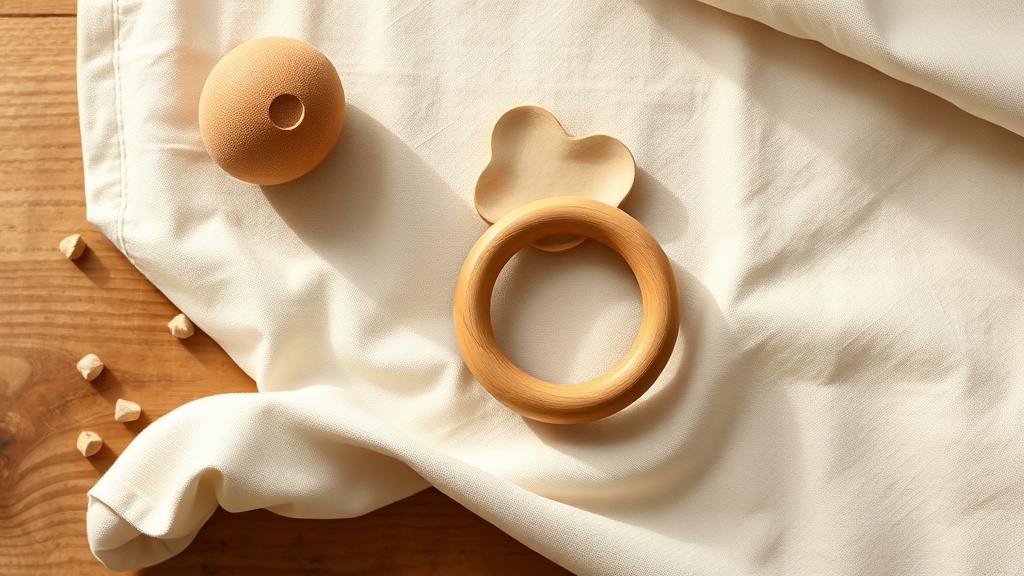
A good wooden teething ring is smooth hardwood made for chewing. Look for maple, beech, or olive wood with a clear finish description, such as food-grade oil or beeswax. Avoid painted, lacquered, scented, or mystery-finished teethers.
Silicone teethers can also be reasonable when they come from a trusted brand and are made for mouth contact. The better choice is the one with a clear material, a safe design, and no cracking, peeling, sticky surface, or loose parts.
What the research says
FDA teething guidance warns parents not to use benzocaine, lidocaine, or teething jewelry for infants and children. It points families toward safer soothing steps, such as gently rubbing gums or using a firm rubber teething ring that is not frozen.
A 2025 Chemosphere study tested bisphenol migration from children's products under simulated oral exposure. It does not test every teether. It does show why mouth-contact baby products deserve extra care.
Use teethers only as labeled. Wash by hand, dry fully, and replace any ring that cracks, splinters, gets rough, or has a damaged finish. Do not freeze hard teethers because they can hurt gums.