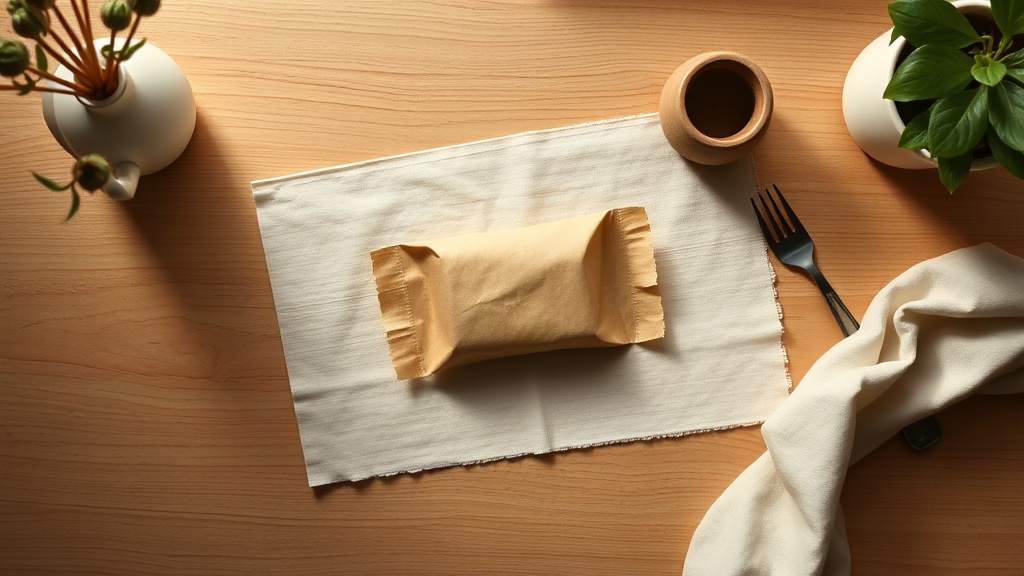
How should parents handle PFAS in fast food wrappers and packaging?
Do not use fast food wrappers as a baby or toddler plate. A 2026 consumer packaging study found PFAS in many tested food-contact materials, so moving hot, greasy food to a plate is the better habit.
Fast food wrappers can be treated to resist grease. That is why PFAS comes up: the packaging has to hold hot, oily food without falling apart.
For babies and toddlers, the practical issue is not one road-trip meal. It is using the wrapper as the plate, letting hot food sit in it, and making packaged fast food a frequent routine.
What the evidence says
A 2026 Chemosphere study tested 66 paper and plastic food packaging materials. At least one PFAS was detected in 64% of the samples, with 6:2 diPAP found most often. The study did not show PFAS transfer into the tested foods, so the honest advice is to reduce direct food contact with wrappers instead of overstating the risk.
Better fast-food rule
- Move food out of wrappers before serving toddlers.
- Use a bamboo, porcelain, or stainless steel plate when you can.
- Do not store leftovers in fast food packaging.
- Avoid reheating food in wrappers or boxes.
This page belongs on NonToxCo because serving surfaces are an easy parent-controlled swap.
The research at a glance
| Study | Journal | Year |
|---|---|---|
| Assessment of per- and polyfluoroalkyl substances (PFAS) in consumer food packaging. | Chemosphere | 2026 |
What to use instead
Serve takeout on bamboo or porcelain plates instead of letting hot, greasy food sit in wrappers.
Shop Non-Toxic Kitchen