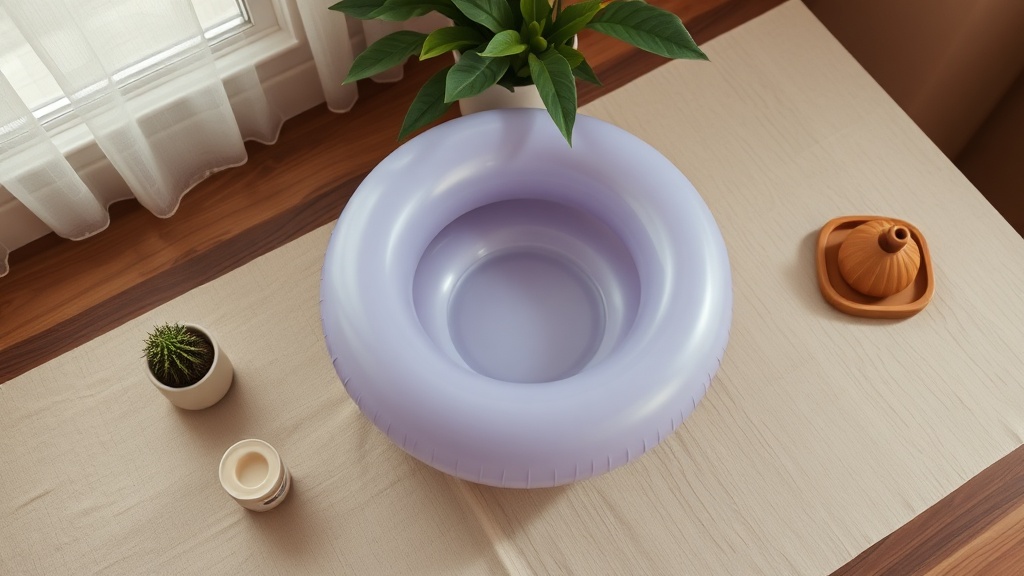
Are inflatable PVC kids' pool toys safe for daily summer play?
Use caution. Soft PVC toys can contain plasticizers that migrate during handling and mouthing.
What to know
Inflatable pool toys are often soft PVC. PVC needs plasticizers to stay flexible. Those additives are not always tightly bound to the material, so handling, heat, and mouthing can increase contact.
Young kids touch pool toys with wet hands, press warm skin against them, and sometimes mouth the air valve. The smell from a new inflatable is a good reason to pause, air it out, and avoid daily use for babies and toddlers.
What the research says
A 2020 Regul Toxicol Pharmacol study by CPSC staff measured plasticizer migration from children's toys, child care articles, art materials, and school supplies. It notes that children can be exposed when they handle or mouth PVC products because plasticizers are not covalently bound.
A 2002 Food Addit Contam study measured phthalate migration from PVC toys into saliva simulant. It found DINP and DEHP were common plasticizers in sampled soft PVC toys.
For pool use, choose products clearly labeled phthalate-free and PVC-free. For daily dry play, choose simple wood, cotton, or bamboo toys instead of soft vinyl.
The research at a glance
| Study | Journal | Year |
|---|---|---|
| Plasticizer migration from children's toys, child care articles, art materials, and school supplies. | Regul Toxicol Pharmacol | 2020 |
| Migration of phthalates from PVC toys into saliva simulant by dynamic extraction. | Food Addit Contam | 2002 |