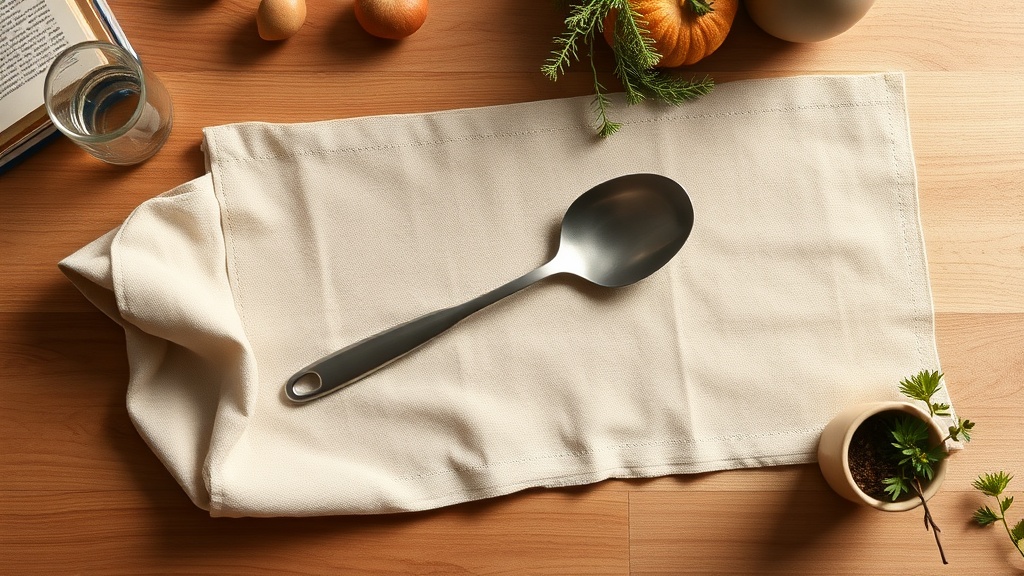
Is stainless steel safer than silicone for cooking utensils?
For high heat, stainless steel is the better pick. Silicone is useful at lower heat and on scratch-prone cookware.
Short answer
For high heat, choose stainless steel. For lower heat or pans that scratch easily, silicone can be useful. Neither material is zero-release, so use each where it makes sense.
What the research says
A 2025 Journal of Hazardous Materials study tested silicone bakeware at 177 C and found cyclic siloxanes moving into a fatty food simulant and indoor air. That is bakeware research, not a direct whisk or spatula study, but it supports avoiding long, high-heat silicone contact. A 2013 Journal of Agricultural and Food Chemistry study found stainless steel cookware can release nickel and chromium into tomato sauce, especially with new cookware, acidic food, and long cooking times.
What to do at home
Use stainless steel tongs, mashers, and serving tools for hot work. Use silicone only when you need flexibility or need to protect a pan surface. Replace worn, sticky, cracked, or strongly scented silicone.
The research at a glance
| Study | Journal | Year |
|---|---|---|
| Silicone bakeware as a source of human exposure to cyclic siloxanes via inhalation and baked food consumption. | J Hazard Mater | 2025 |
| Stainless steel leaches nickel and chromium into foods during cooking. | J Agric Food Chem | 2013 |
What to use instead
Shop stainless steel kitchen tools for high-heat cooking tasks.
Shop Non-Toxic Kitchen