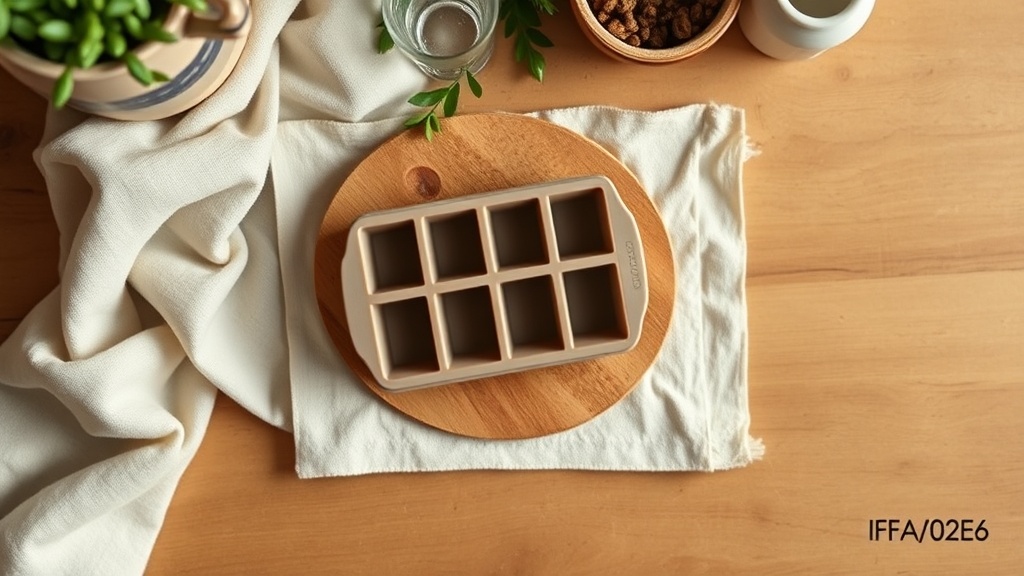
Is it safe to use silicone ice cube trays daily?
Freezing is lower concern than baking, but do not heat or keep damaged silicone.
What to know
Silicone ice cube trays are not the same as silicone bakeware. Freezer use is lower heat, so the main concern is not the same as baking.
Still, silicone is a food-contact material. Replace trays that smell strong, feel sticky, look cracked, or leave bits behind. Do not put ice trays in the oven, dishwasher heat cycle, or microwave unless the maker gives clear food-contact directions.
If you want fewer plastic-like materials touching food and drinks, use glass or stainless steel storage where it fits your routine. For ice, keep the tray clean, covered, and away from strong freezer smells.
What the research says
A 2025 J Hazard Mater study tested silicone bakeware during 60-minute baking at 177 C. It found cyclic siloxanes in the silicone products, in a food simulant, and in indoor air during baking.
That study is about heated bakeware, not frozen ice trays. It supports a narrow rule: avoid heating silicone when you can, and do not keep old or damaged silicone in daily food use.
The research at a glance
| Study | Journal | Year |
|---|---|---|
| Silicone bakeware as a source of human exposure to cyclic siloxanes via inhalation and baked food consumption. | J Hazard Mater | 2025 |