Is it safe to use a plastic shower head with drinking water?
Use the shower for showering, not as a regular drinking-water source.
What to know
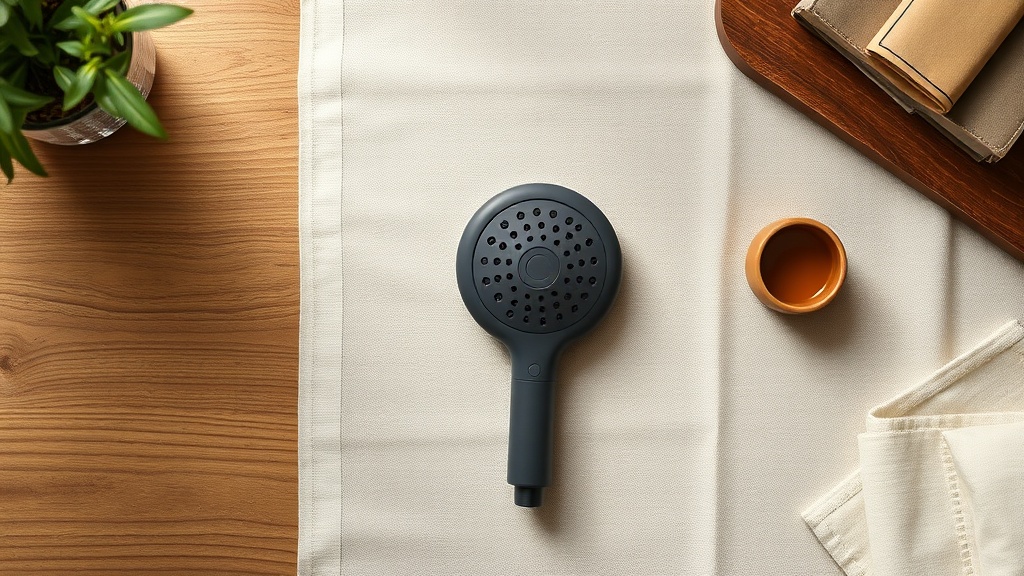
A plastic shower head is usually made with plastic housing, plastic channels, or plastic nozzles. It is built to spray water over your body, not to act as a daily drinking-water fixture.
One sip from a shower is not a crisis. The concern is habit. Shower water is warm or hot, sits in the head between uses, and passes through a fixture that may not be held to the same drinking-water contact standards as a kitchen faucet.
Use the shower for showering. Fill cups and bottles from a tap meant for drinking water. If people in the house often drink from the shower, switch to a metal shower head and make the drinking-water rule clear.
What the research says
A 2025 J Agric Food Chem study found that polypropylene food containers released microplastics and nanoplastics into water, with higher release after 90 C rinsing than room-temperature rinsing.
EPA explains that plumbing parts used for drinking water have lead-free limits under the Safe Drinking Water Act. That supports a simple boundary: use drinking-water-rated fixtures for drinking.
This is not a shower-head brand test. It is practical exposure control: avoid using hot plastic fixtures as a regular drinking-water route.