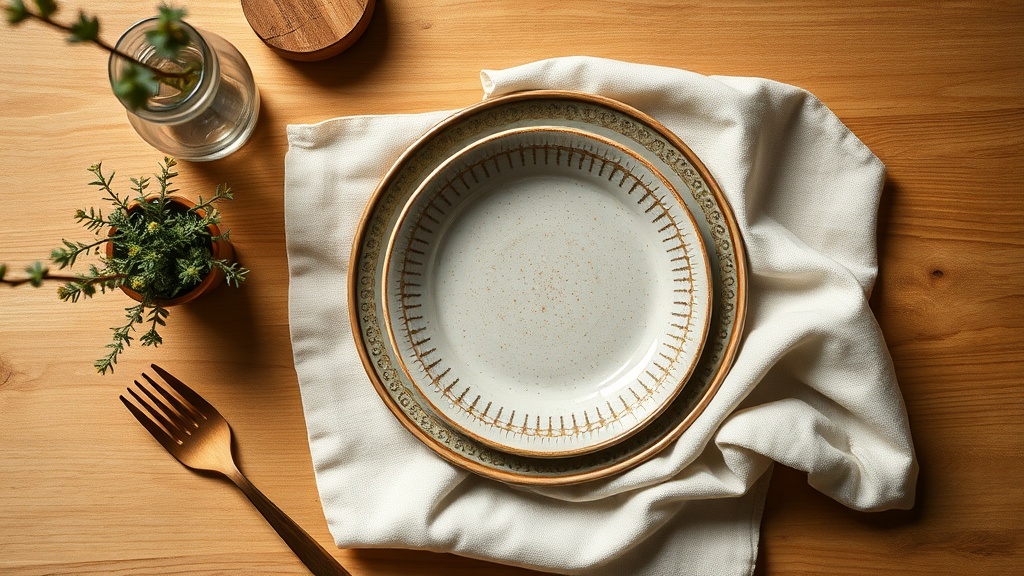
Is it safe to use antique ceramic dishes for daily meals?
Avoid using unknown antique or decorative ceramics for daily meals, especially with hot or acidic food.
What's actually in it
Antique ceramic dishes can have lead or cadmium in the glaze or decoration. You usually cannot tell by looking.
The highest-risk pieces are old, handmade, imported, chipped, cracked, or brightly decorated over the glaze. Acidic foods like tomato sauce, lemon, vinegar, and fruit can pull metals out faster.
What the research says
A 2025 study in Journal of Hazardous Materials tested new and second-hand ceramic mugs with 4% acetic acid. It measured lead and cadmium migration over 24 hours. The lip area released more metal than the inside, especially where decorative overglaze pigments were present.
That study was on mugs, not every antique plate. But it supports a simple rule: unknown old or decorative ceramics should not be daily food dishes.
Use antique pieces for display. For daily meals, choose modern porcelain, glass, or ceramic dishes that are clearly made for food and marked lead-free or cadmium-free.
The research at a glance
| Study | Journal | Year |
|---|---|---|
| Migration kinetics of cadmium and lead from ceramic mugs. | J Hazard Mater | 2025 |