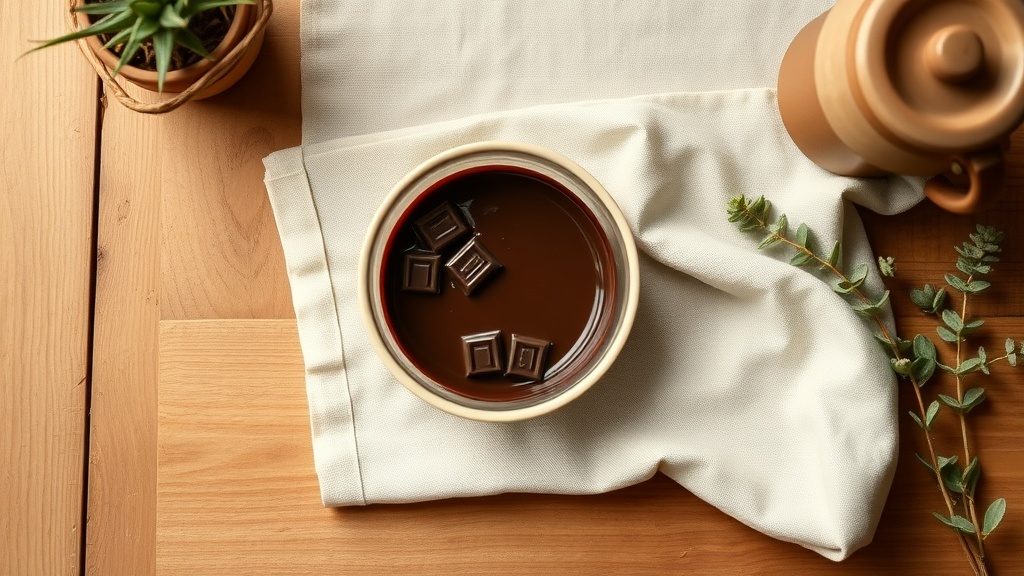
Is it safe to melt chocolate in a plastic bowl in the microwave?
Avoid it when you can. Hot, fatty chocolate is a poor use case for plastic bowls.
What's actually in it
Chocolate is rich in cocoa butter. When you microwave it, the bowl touches hot fat while you stir and scrape. That is a harder use case for plastic than dry, room-temperature food.
The concern is not one batch of brownies. It is making hot, fatty foods in plastic by habit.
What the research says
A 2025 Journal of Agricultural and Food Chemistry study found polypropylene food containers released nanoplastics and microplastics into water, with higher release after 90 C water contact than room-temperature water contact.
A 2025 Journal of Hazardous Materials total diet study detected plasticizers in 85% of analyzed food samples and found packaging type affected some plasticizer levels.
These are not chocolate-bowl tests. They support a practical kitchen rule: keep hot foods and fats away from plastic when glass, ceramic, or porcelain is easy.
Melt chocolate in a glass, ceramic, or porcelain bowl. Use short microwave bursts and stir between rounds.
The research at a glance
| Study | Journal | Year |
|---|---|---|
| Release of Nanoplastics from Polypropylene Food Containers into Hot and Cold Water. | J Agric Food Chem | 2025 |
| Plastic additives in the diet: Occurrence and dietary exposure in different population groups. | J Hazard Mater | 2025 |
What to use instead
For melted chocolate, use glass, ceramic, or porcelain bowls instead of plastic. Shop kitchen bowls for hot prep swaps.
Shop Non-Toxic Kitchen