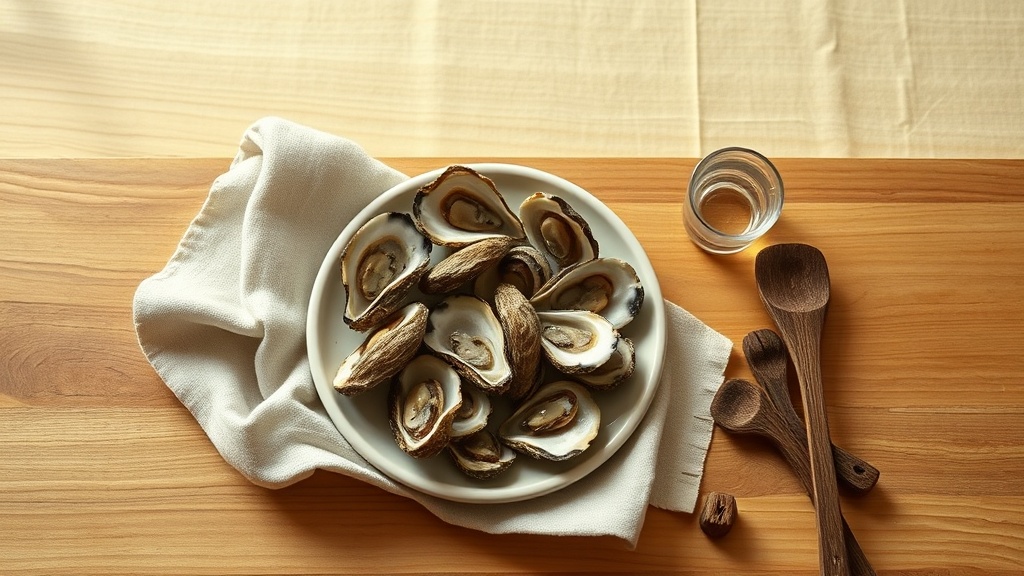
Is it safe to eat oysters or clams from waters near a fire training site?
Use caution. Bivalves from PFAS-affected firefighting foam sites can be an exposure route.
What is in it
Oysters, clams, and mussels are bivalves. They filter water as they feed. If that water is affected by AFFF firefighting foam, the concern is PFAS, especially PFOS.
This does not mean all shellfish are unsafe. The source matters. Shellfish from a monitored farm is different from shellfish harvested near a fire training site, airport, or military base with known AFFF runoff.
What the research says
A 2026 Integrated Environmental Assessment and Management paper reviewed bivalves from PFAS-affected AFFF sites. Case studies found PFOS in bivalves above screening levels for human consumers at affected sites.
The same paper also found that PFAS exposure from bivalves was predicted to be 3 to 10 times lower than exposure from fish in the case study data. So the honest rule is not panic. It is location. Check state fish and shellfish advisories before harvesting or buying local shellfish from waters near AFFF sites.
The research at a glance
| Study | Journal | Year |
|---|---|---|
| Risks associated with consumption of bivalves from PFAS-affected aqueous film-forming foam sites. | Integr Environ Assess Manag | 2026 |