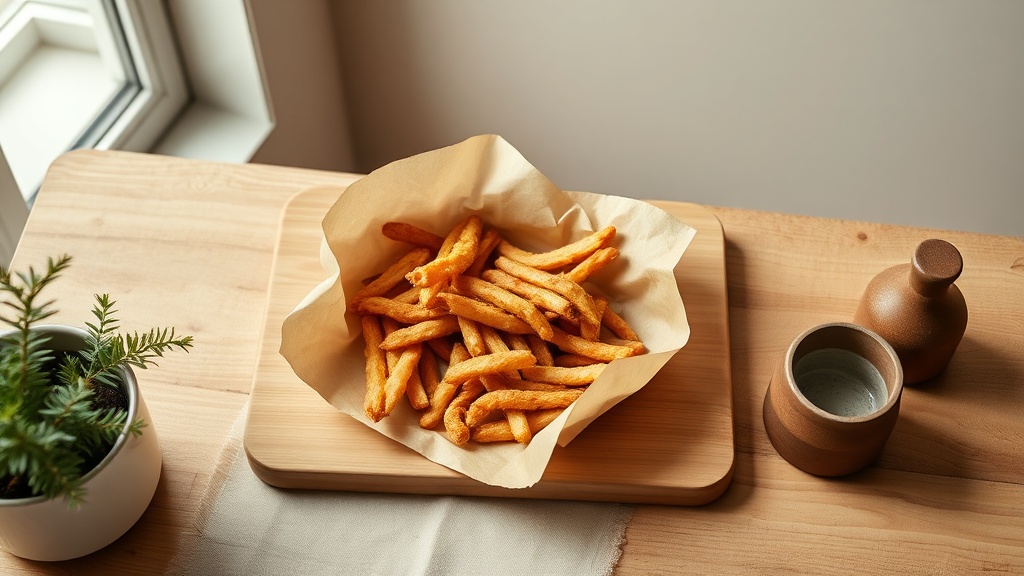
Is it safe to eat drive-through fried food in grease-proof paper regularly?
Use caution. PFAS grease-proofers have been phased out in the U.S., but greasy paper packaging still deserves care.
What's actually in it
Fast-food wrappers, fry bags, and burger liners use grease-proofing so oil does not soak through the paper. For years, some paper and paperboard packaging used PFAS-based grease-proofers.
The U.S. market has changed, but the habit still matters. Hot, greasy food sitting in coated paper is not the lowest-exposure way to eat. The lower-risk move is simple: unwrap it and put it on a real plate.
What the research says
The FDA says PFAS-containing grease-proofing agents for paper food packaging were no longer being sold into the U.S. market for that use as of 2024, and related food-contact authorizations were later revoked.
A 2026 Journal of Agricultural and Food Chemistry study validated a screening method for grease-proofers containing 6:2 fluorotelomer alcohol in fiber-based food packaging. The paper supports monitoring the phase-out, not assuming every wrapper still contains PFAS.
Keep the habit practical. Eat drive-through fried food less often. When you bring it home, move it off the wrapper and onto a porcelain, bamboo, glass, or stainless steel plate. For home versions, cook on stainless steel, cast iron, or ceramic surfaces and serve on reusable plates instead of disposable grease-proof paper.