Is it safe to drink filtered water stored in a plastic fridge pitcher?
The filter can help, but glass storage is the cleaner finish.
What to know
A plastic fridge pitcher can still be useful. The filter may lower chlorine taste and some contaminants, depending on the model and cartridge. The trade-off is that clean water then sits in a plastic container for hours or days.
Cold storage slows wear, but it does not make plastic a perfect storage material. If the pitcher is scratched, cloudy, old, or washed roughly, replace it.
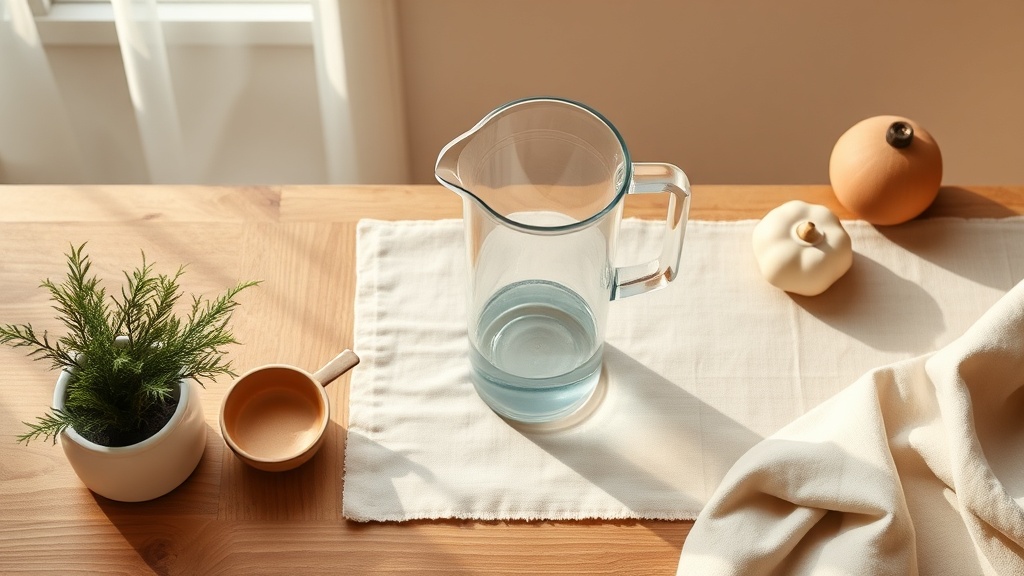
For a simple upgrade, filter the water and store it in glass. A covered glass jar or carafe works well in the fridge.
What the research says
A 2025 NPJ Clean Water study measured microplastic removal across 10 drinking water treatment facilities and distribution systems. It found that treatment steps can remove many microplastics from water.
A 2025 Environ Monit Assess study found microplastics in drinking water bottles and milk packaging used every day.
These are not plastic pitcher brand tests. They support a practical split: filtration can help, and lower-plastic storage is a cleaner endpoint when you can do it.
The research at a glance
| Study | Journal | Year |
|---|---|---|
| Microplastic removal across ten drinking water treatment facilities and distribution systems. | NPJ Clean Water | 2025 |
| Identification and occurrence of microplastics in drinking water bottles and milk packaging consumed by humans daily. | Environ Monit Assess | 2025 |