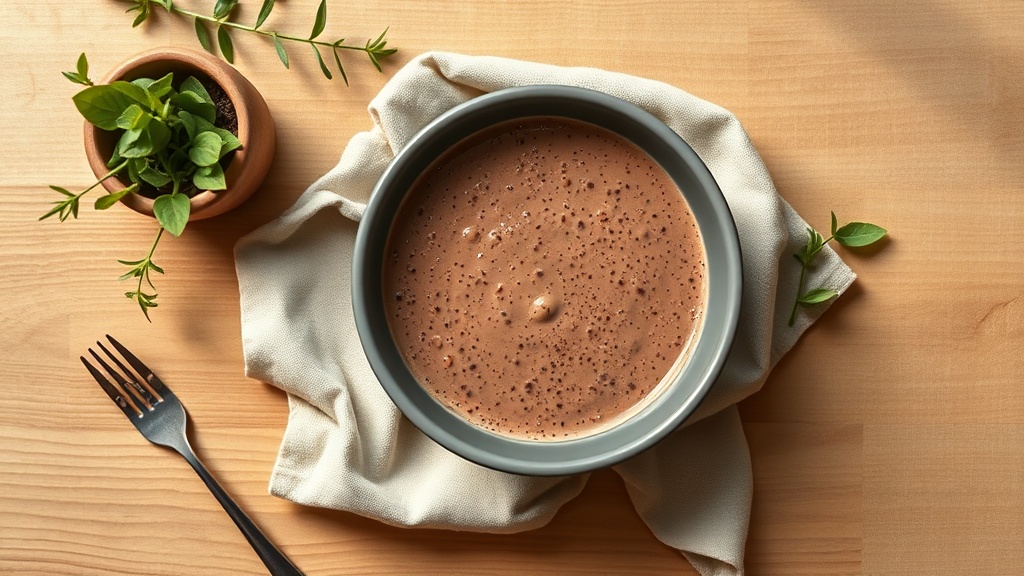
Is it safe to buy smoothies from a plastic smoothie bowl?
Use caution if plastic smoothie bowls are a regular habit. Cold is better than hot, but less plastic food contact is still the cleaner default.
What's actually in it
Smoothie bowls often touch several plastic parts: blender cup, serving bowl, lid, spoon, and straw. The food is usually cold, which is better than hot food in plastic.
Still, smoothies can contain fruit acids, nut butter, yogurt, and protein powder. If this is a daily habit, it is reasonable to reduce the plastic contact you can control.
What the research says
A 2025 Journal of Agricultural and Food Chemistry study found polypropylene food containers released nanoplastics and microplastics into hot and cold water. Release was higher with 90 C water, so this study does not mean cold smoothie bowls carry the same concern as hot soup.
A 2025 Journal of Hazardous Materials total diet study found plasticizers in 85% of analyzed food samples and found packaging type affected some plasticizer levels.
Practical takeaway: choose a reusable cup or bowl when the shop offers one. Skip plastic straws and lids when you can. Do not store leftover smoothie in the same plastic bowl.
At home, make smoothie bowls in glass, ceramic, or porcelain bowls. That removes the disposable plastic bowl from the routine.
The research at a glance
| Study | Journal | Year |
|---|---|---|
| Release of Nanoplastics from Polypropylene Food Containers into Hot and Cold Water. | J Agric Food Chem | 2025 |
| Plastic additives in the diet: Occurrence and dietary exposure in different population groups. | J Hazard Mater | 2025 |
What to use instead
For smoothie bowls at home, use porcelain, ceramic, or glass bowls instead of disposable plastic bowls.
Shop Non-Toxic Kitchen