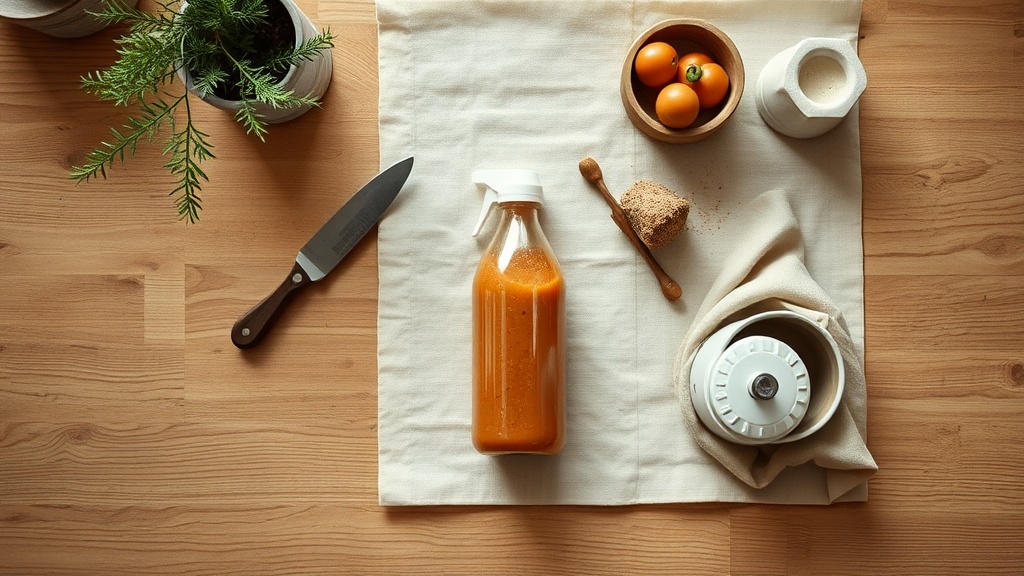
Is it safe to buy sauces and condiments in plastic squeeze bottles?
Use caution with acidic or fatty sauces stored for months in plastic squeeze bottles. Glass jars are the better routine choice.
What's actually in it
Ketchup is acidic. Mayo is fatty. Many hot sauces and dressings are acidic, oily, or both.
That does not mean every squeeze bottle is a crisis. It does mean long storage in plastic is not the best default for foods you use often.
What the research says
A 2023 Comprehensive Reviews in Food Science and Food Safety systematic review found phthalates across food groups, including condiments and sauces. It reported that temperature, contact time, fat content, and acidity positively correlate with phthalate migration from food contact materials.
A 2025 Journal of Hazardous Materials total diet study found plasticizers in 85% of analyzed food samples and found packaging type affected some plasticizer levels.
Practical takeaway: choose condiments in glass when you can. If your favorite sauce only comes in a squeeze bottle, avoid storing it near heat and use it within a reasonable time.
At home, transfer frequently used sauces into clean glass jars and serve with a spoon.
The research at a glance
| Study | Journal | Year |
|---|---|---|
| Occurrence of phthalates in different food matrices: A systematic review of the main sources of contamination and potential risks. | Compr Rev Food Sci Food Saf | 2023 |
| Plastic additives in the diet: Occurrence and dietary exposure in different population groups. | J Hazard Mater | 2025 |
What to use instead
For frequently used sauces, use glass jars instead of storing acidic or fatty condiments in plastic squeeze bottles for months.
Shop Non-Toxic Kitchen