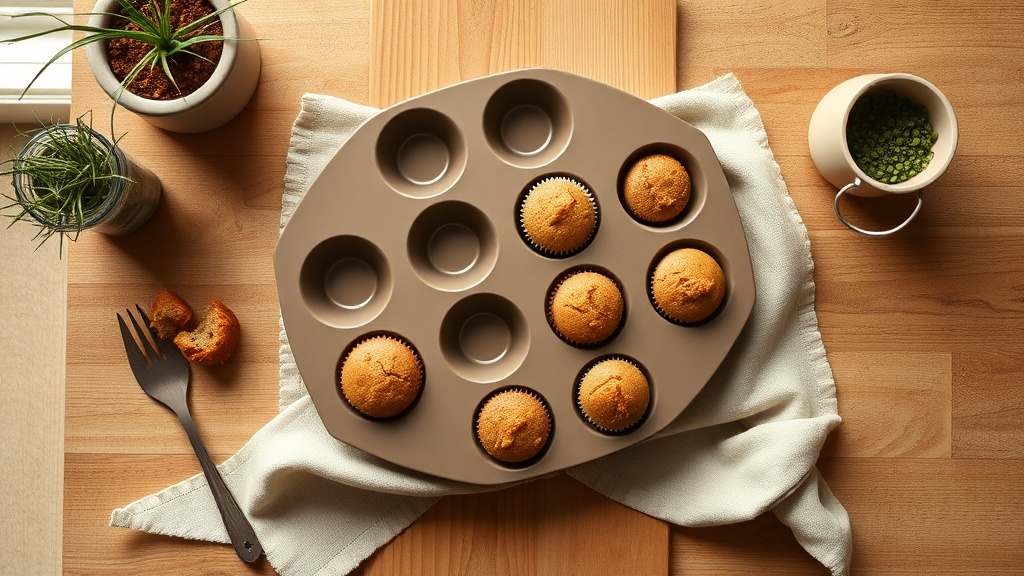
Is it safe to bake muffins in silicone molds every weekend?
Use caution for frequent baking. A 2025 study measured cyclic siloxanes moving from silicone bakeware into food simulant and indoor air during baking.
What's actually in it
Food-grade silicone is useful because it bends, releases food easily, and handles oven heat. It is still a material that can release cyclic siloxanes during baking.
Siloxanes can move into fatty foods and into oven air. The amount depends on the silicone product, the baking surface area, the fat in the food, and how often the mold has already been baked.
What the research says
A 2025 study in J Hazard Mater tested 25 silicone bakeware products bought in Canada. Total cyclic siloxanes (D4 to D16) in the products ranged from 680 to 4,300 micrograms per gram.
During 60 minutes of baking at 177 C, researchers measured siloxanes in both food simulants and indoor air. Average total D4 to D16 in baked food simulants was 105 micrograms per gram. One-hour indoor air levels reached 646 micrograms per cubic meter, then dropped after baking stopped. Repeated baking lowered release over time.
What to do in the kitchen
Occasional silicone use is not the biggest kitchen concern. For weekly muffins, use stainless steel, cast iron, glass, ceramic, or enamel bakeware when you can. Vent the kitchen during baking.
If you keep silicone molds, use reputable food-grade silicone, avoid damaged pieces, and skip very cheap products with unknown materials. Do not use silicone under the broiler or above the temperature listed by the maker.
The research at a glance
| Study | Journal | Year |
|---|---|---|
| Silicone bakeware as a source of human exposure to cyclic siloxanes via inhalation and baked food consumption. | J Hazard Mater | 2025 |