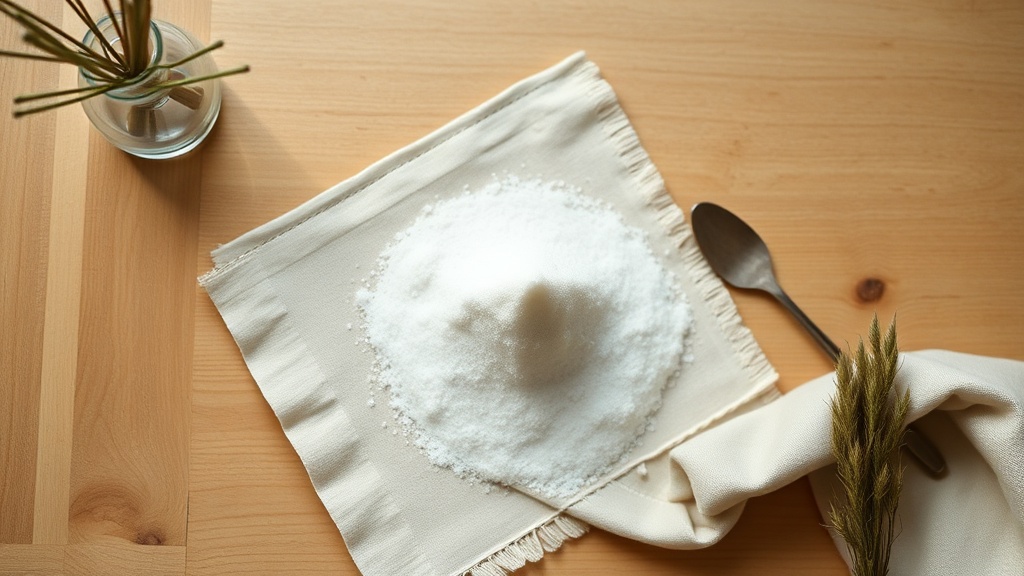
Can refined sugar contain microplastics?
Use caution, but keep it in perspective. A 2026 Journal of Hazardous Materials study found small microplastic particles in refined white sugar from major Italian brands and distributors, with many particles under 20 microns.
What is actually in it
Refined sugar goes through processing, storage, transport, and packaging before it reaches your pantry. Microplastics can enter food through air, equipment, water, and food-contact materials.
The study on sugar does not prove one exact source for every particle. It does show that a common pantry food can carry very small plastic particles.
What the research says
A 2026 Journal of Hazardous Materials study tested white sugar from major Italian brands and distributors. The researchers used micro-FTIR for particles 50 microns and larger and micro-Raman for particles from 5 to 50 microns.
The study found that most detected particles were smaller than 20 microns, with many in the 5 to 10 micron range. PVC was the most common polymer, followed by PE, PS, PP, and PET.
This does not mean sugar is the biggest microplastic source in your home. It supports reducing added sugar and storing pantry staples well.
What to do at home
Use less added sugar when you can. Buy intact bags with no loose plastic fragments. Once opened, store sugar in a clean, dry glass jar or ceramic container.
Do not let this concern push you toward panic. The bigger wins are less plastic contact with hot food, fewer bottled drinks, and less dust at home.
The research at a glance
| Study | Journal | Year |
|---|---|---|
| Hidden pollutants in food: Evidence of small microplastic particles (100-5 µm) in refined sugar from the Italian market. | J Hazard Mater | 2026 |