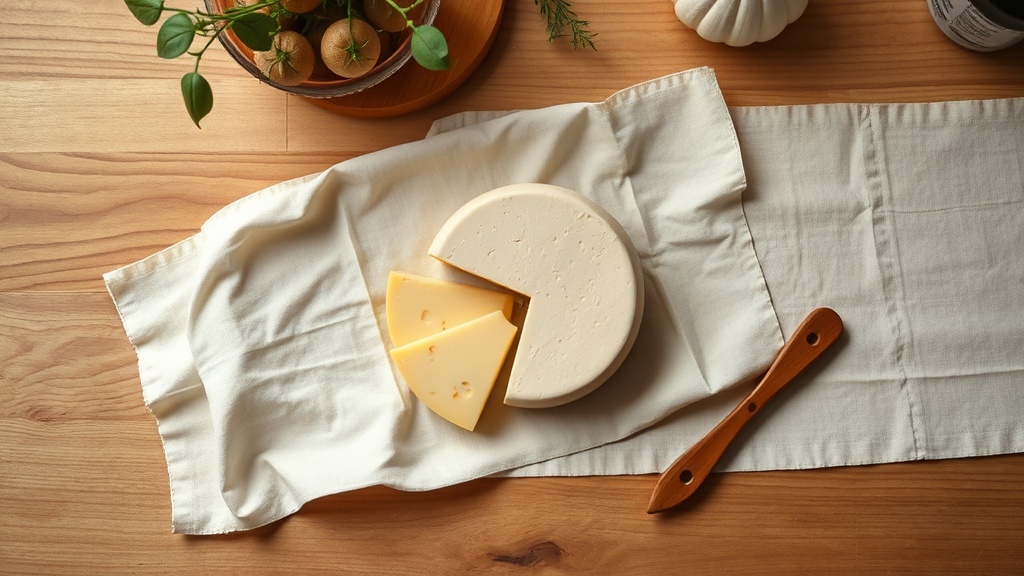
Can plastic food wrap transfer chemicals to fatty foods?
caution
Short answer
Use caution with plastic wrap directly touching cheese, deli meat, butter, and oily leftovers.
The sources do not prove that every wrapper releases the same chemical. They do show that food-contact plastics can transfer substances into food or food-like test liquids.
Why this matters
Fatty foods often sit wrapped for days. Longer contact time gives packaging more chance to matter.
This is an easy swap. You can move leftovers into glass instead of leaving them pressed against plastic.
What the research says
A 2026 Journal of Hazardous Materials study tested plastic, paper, and mixed food-contact materials. It identified 114 migrating compounds and found plasticizers and non-intentionally added substances among the common groups.
A 2026 Food Chemistry study found chemicals transferred from plastic food-contact materials into foods cooked in plastic packaging. Several compounds transferred more after cooking, and low-density polyethylene packaging showed more transferred plasticizers.
A 2026 beverage-cup study found phthalates, bisphenols, photoinitiators, and 2 perfluorinated compounds in polyethylene and polystyrene based cups. That source supports food-contact plastic caution, not a cheese-specific claim.
What to do instead
Use glass storage for cheese, deli meat, butter, and oily leftovers. Do not heat food in plastic wrap.
For storage swaps, browse glass storage jars.
The research at a glance
What to use instead
Glass storage jars reduce long direct plastic contact with fatty leftovers.
Shop Non-Toxic Kitchen