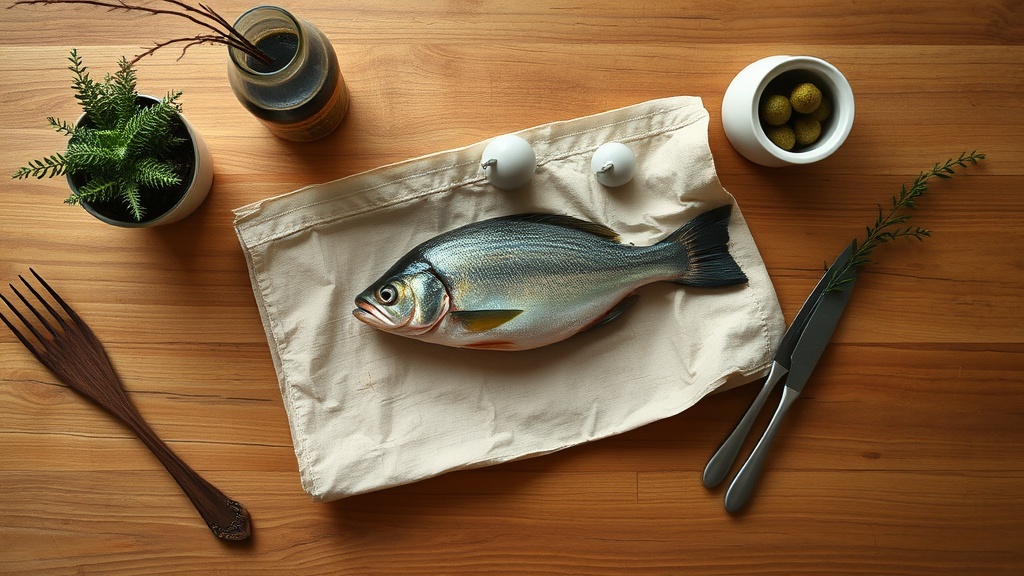
Does eating fish and seafood regularly raise blood mercury levels?
Yes. Fish consumption is the primary driver of blood mercury in most populations.
What's actually in it
Almost all human methylmercury exposure comes from fish and seafood. Mercury from industrial pollution accumulates in aquatic ecosystems, gets converted to methylmercury by bacteria, and concentrates up the food chain. Larger, older predatory fish (tuna, swordfish, shark, king mackerel) contain the most. Small fish (sardines, anchovies) contain very little.
Methylmercury is a potent neurotoxin. It crosses the blood-brain barrier and the placenta. There is no known safe blood level, but health effects at lower levels are subtle and cumulative.
What the research says
A 2026 study in Int J Hyg Environ Health analyzed determinants of hair mercury, blood mercury, blood selenium, and other markers in a population study. Fish consumption was the dominant predictor of blood and hair mercury levels with a clear dose-response relationship. Eating fish more frequently and eating higher-mercury species both independently raised blood mercury.
Fish is a healthy food when chosen carefully. The nutritional benefits are real, but so is the mercury risk. The solution isn't avoiding fish entirely. It's choosing low-mercury species and limiting the high-mercury ones.
Store your fish and meal preps in glass food storage to avoid adding plastic chemical exposure to the mercury burden from the fish itself.
The research at a glance
| Study | Journal | Year |
|---|---|---|
| Determinants of human hair mercury, blood mercury, blood selenium, and plasma omega-3 fatty acids | Int J Hyg Environ Health | 2026 |
What to use instead
Browse our curated non-toxic alternatives. Every product is third-party certified.
Shop Non-Toxic Kitchen