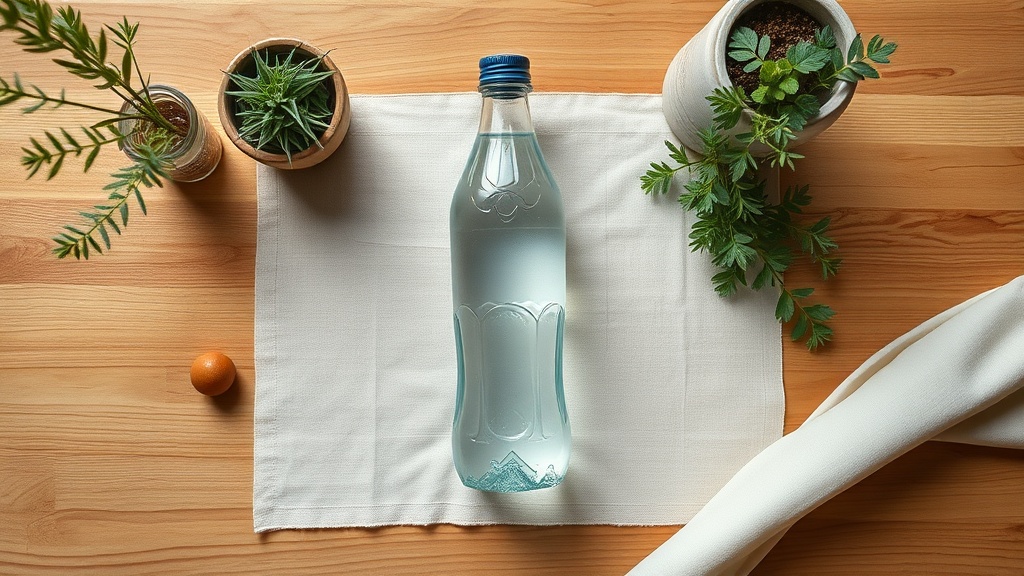
Does bottled mineral water contain bisphenols and phthalates from plastic bottles?
caution
What's actually in it
Most single-use water bottles are made from PET plastic. Bottled water can pick up small amounts of chemicals from the bottle, cap, manufacturing, or storage conditions.
The chemicals to watch are bisphenols, such as BPA, BPF, and BPS, plus phthalates, such as DIOP. These chemicals can act on hormone pathways in the body.
What the research says
A 2026 study in Environ Toxicol tested six brands of PET-bottled mineral water in Brazil. The researchers looked for BPA, 10 related bisphenols, and six phthalates.
They found BPF and DIOP in every sample. They found BPA and BPS in some brands after sunlight exposure. The study also found estrogenic activity above proposed trigger values for bottled mineral water.
The levels were below some current regulatory limits. Still, the study found that sunlight and storage matter. Bottles left in heat or sun can show more chemical migration.
The practical step is simple. Do not store bottled water in a hot car, garage, or sunny window. At home, use tap or filtered water in glass drinkware when you can. For water on the go, choose stainless steel or glass instead of disposable plastic bottles.
The research at a glance
| Study | Journal | Year |
|---|---|---|
| Bisphenols and Phthalates in Bottled Mineral Water: First Evidence of Co-Occurrence, Estrogenic Activity, and Health Risk in Brazil. | Environ Toxicol | 2026 |
What to use instead
Use glass drinkware at home and avoid storing water in disposable plastic bottles.
Shop Non-Toxic Kitchen