Do synthetic play mats and artificial turf release microplastics kids can breathe?
Use caution with synthetic play surfaces, especially where babies crawl or kids play close to the ground. Synthetic sports surfaces are documented sources of airborne microplastics, and worn indoor mats deserve the same practical caution.
Synthetic play mats and artificial turf can shed small plastic particles as they wear. That matters for children because play happens close to the surface: crawling, rolling, sitting, and breathing near dust.
The strongest version of this page is not a blanket claim that every mat is dangerous. It is a practical warning about worn synthetic surfaces, indoor dust, and repeated exposure.
What the evidence says
A 2026 Environmental Geochemistry and Health review identifies synthetic tracks and artificial turf as sources of airborne microplastic emissions in school environments. It also highlights children’s higher vulnerability because of physiology and activity patterns. This source is not a direct study of every nursery mat, so the recommendation stays cautious and practical.
Better play-surface rule
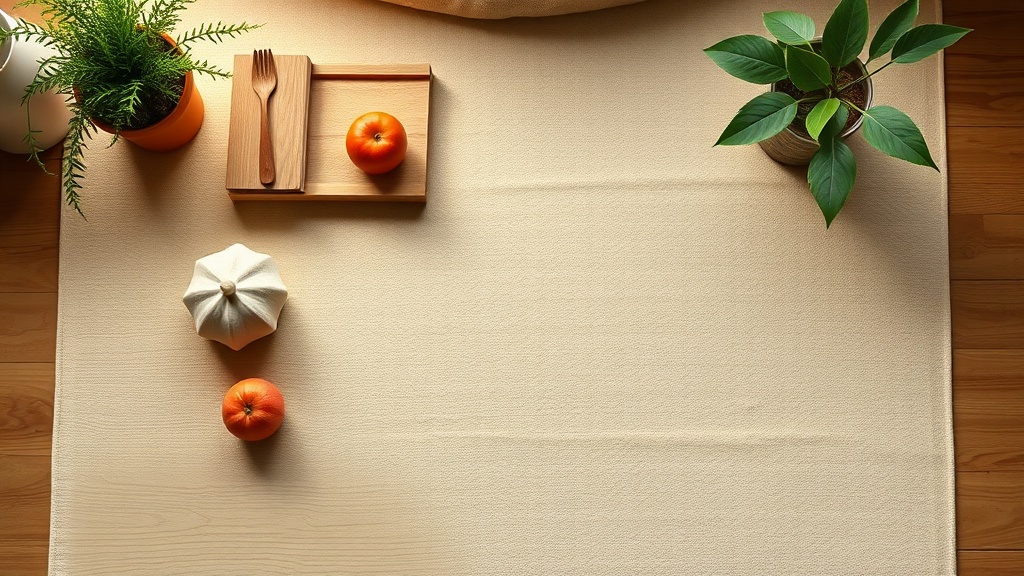
- Prefer wood floors with washable wool or cotton rugs where practical.
- Replace crumbling, sticky, or powdery foam mats.
- Wet-mop and vacuum with a HEPA filter to reduce dust.
- Avoid artificial turf in small enclosed play spaces.
This page has an honest home-product fit when the swap is a wool rug, not a plastic play mat replacement dressed up with vague claims.
The research at a glance
| Study | Journal | Year |
|---|---|---|
| Airborne microplastic emissions from synthetic sports surfaces and associated health risks to children. | Environ Geochem Health | 2026 |
What to use instead
For floor textiles, choose wool rugs instead of synthetic turf or crumbly foam when practical.
Shop Non-Toxic Home