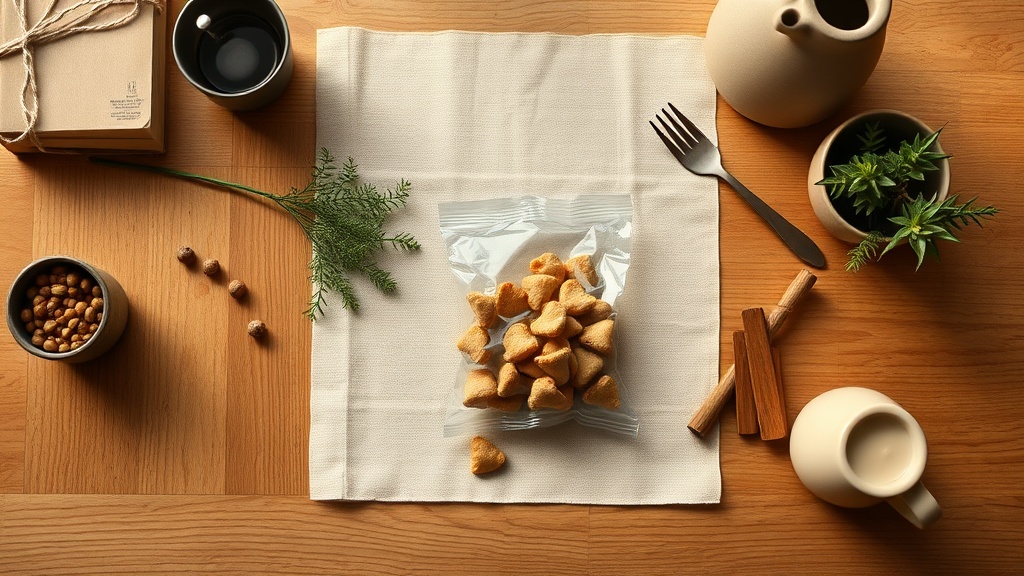
Can plastic or paper snack packaging transfer chemicals into food?
caution
Short answer
Yes. Chemicals can move from food-contact packaging into food. This can happen with plastic, paper, and mixed paper-plastic materials.
One packaged snack is not the issue. The better question is whether packaged snacks, heated plastic, and long storage are part of the daily routine.
Why this matters
Children often eat the same packaged snacks again and again. Repetition turns a small exposure route into a routine.
Heat, oily foods, and long storage deserve the most caution. These conditions can make transfer from food-contact materials more likely.
What the research says
A 2026 Journal of Hazardous Materials study found 114 substances migrating from paper, plastic, and multilayer food-contact materials during lab testing.
A 2026 Food Chemistry study found chemicals transferring from plastic food-contact materials after microwave and oven cooking. A 2026 Food Safety paper explains why long-term migration testing is needed for plastic utensils, containers, and packaging.
What to do instead
Use packaged snacks when they help real life. For daily snacks at home, move prepared foods into glass or stainless steel when practical.
Do not microwave food in plastic packaging unless the label is clear and you truly need to. Let hot foods cool before storage, and avoid storing oily foods in plastic for long periods.
The research at a glance
What to use instead
For daily snack prep, glass storage jars are a better repeat-use choice than keeping food in wrappers or plastic bags.
Shop Non-Toxic Kitchen