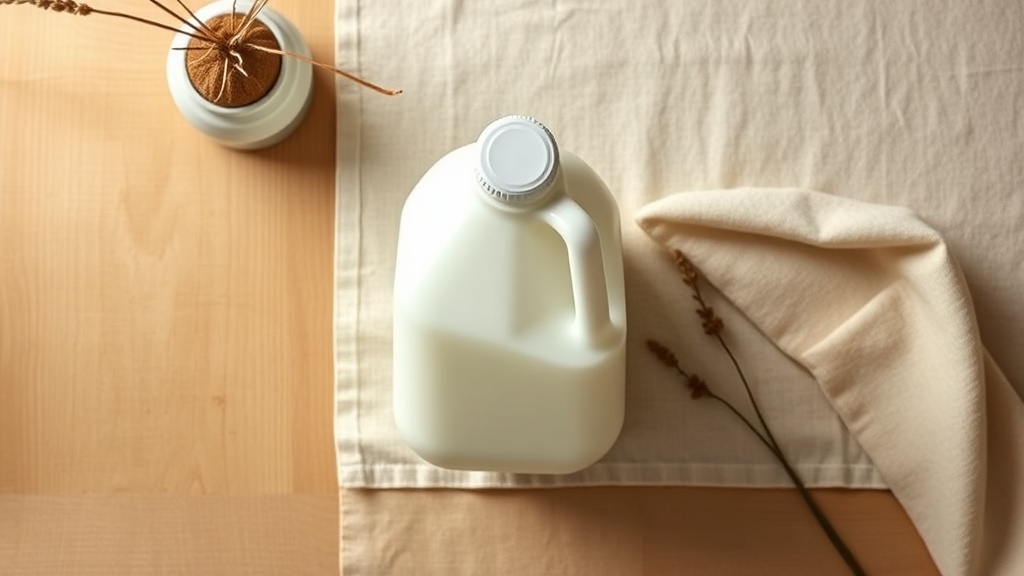
Do plastic milk jugs and food containers leach nonylphenol into dairy?
Use caution with fatty foods stored in plastic. A 2026 food study found nonylphenol and octylphenol in milk, dairy, beverages, and oils, with packaging-related patterns.
What's actually in it
Milk and dairy products can touch food-contact materials at many steps: processing lines, storage tanks, caps, liners, jugs, tubs, and cartons.
4-n-nonylphenol and 4-n-octylphenol are alkylphenols. They are endocrine-disrupting chemicals that can come from the environment and from some food-contact materials.
What the research says
A 2026 study in Foods tested 158 food samples in Turkiye, including milk and dairy products, beverages, and vegetable oils. Average 4-n-NP and 4-n-OP levels were highest in vegetable oils, followed by beverages, then milk and dairy products.
The study found that plastic and metal can containers were linked with higher alkylphenol migration, especially in oily foods and some beverages. Carton packaging generally showed lower levels.
This does not prove that every plastic milk jug releases a high amount. It does support caution with repeated storage of fatty foods in plastic.
What to do at home
Keep milk cold and out of heat. Do not reuse plastic dairy tubs for hot food or oily leftovers. Move cream sauces, yogurt, and other high-fat leftovers into glass containers when you can.