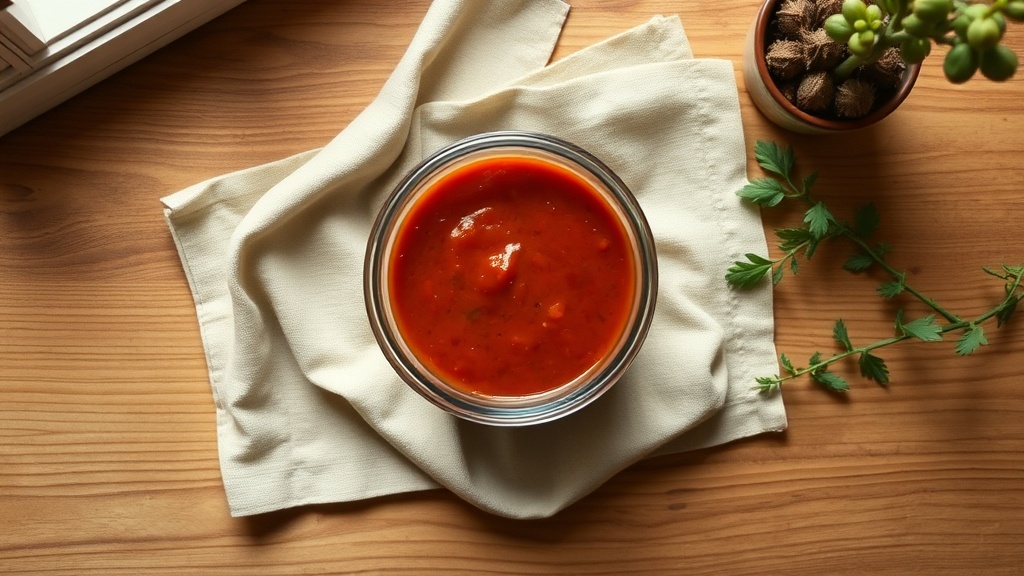
Do plastic food storage containers transfer chemicals when used for acidic foods like tomato sauce?
Avoid long-term storage of acidic foods like tomato sauce in plastic. Acid, oil, time, scratches, and heat make glass storage the better daily choice.
Short answer
Avoid storing tomato sauce or other acidic foods in plastic for a long time.
Plastic containers are most questionable when they are stained, scratched, heated, washed repeatedly, or used for oily and acidic foods.
What the concern is
Acidic foods can stress food-contact materials. Tomato sauce also stains plastic, which is a visible sign that the food and material are interacting.
What the research says
A 2026 Food Safety study developed long-term migration testing for plastic utensils, containers, and packaging using food-simulating solvents, including acetic acid and olive oil.
A 2026 Food Chemistry study tested foods cooked in plastic packaging and found several compounds transferred from packaging to food. Some transfers increased after cooking.
A 2025 Journal of Agricultural and Food Chemistry study found polypropylene nanoplastic and microplastic release from food storage containers into water, with higher release after 90 C rinsing.
What to do instead
Use glass jars or glass storage containers for tomato sauce, soup, oily leftovers, and baby food. Do not microwave stained plastic containers.
The research at a glance
What to use instead
For tomato sauce, leftovers, and baby food, use glass storage jars instead of stained plastic tubs.
Shop Non-Toxic Kitchen