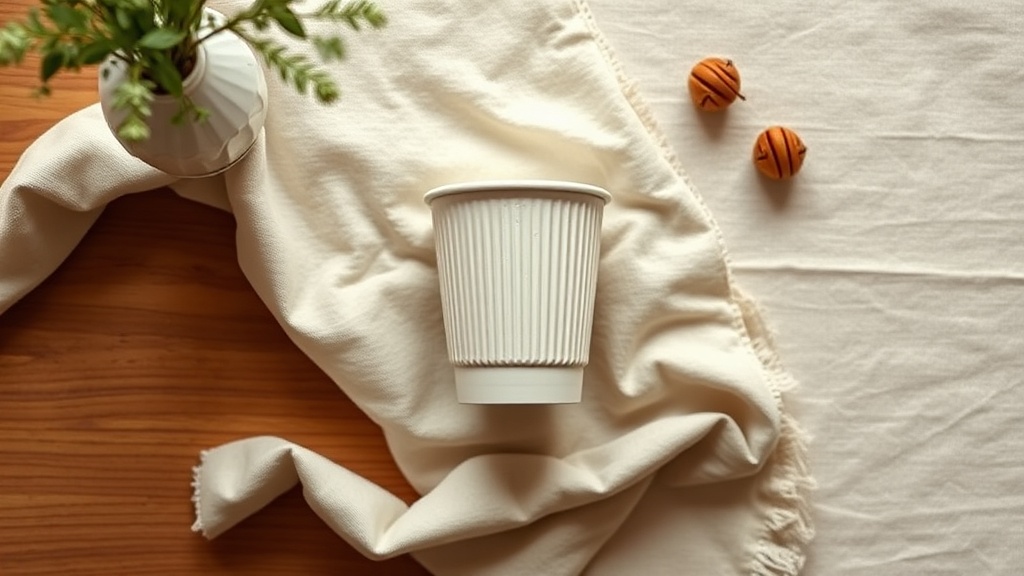
Can disposable paper cups add microplastics, metals, or PFAS to drinks?
caution
Short answer
Yes. Disposable paper cups can contain more than paper. Many use plastic linings or food-contact coatings.
One takeout drink is not the issue. The bigger concern is making hot drinks in coated disposable cups a daily habit.
Why this matters
Hot liquid sits against the inside lining. Heat, time, and repeated use can increase contact with the cup material.
Paper can sound simple, but a paper cup often needs a coating so it does not leak.
What the research says
A 2026 Food and Chemical Toxicology study tested disposable paper cups from Turkiye marketplaces. The researchers found HDPE plastic in the inner film and reported migration of microplastics, zinc, aluminum, ammonium, and chloride after contact with a hot beverage for 15 minutes.
A 2026 Science of the Total Environment study tested food-contact paper products and found PFAS, including PFHxA, PFBA, and PFHxS, in food service paper products.
What to do instead
Use glass cups at home. For takeout, avoid letting hot drinks sit in disposable cups longer than needed.
Do not reuse coated disposable cups for storage. They are made for one short use.
The research at a glance
| Study | Journal | Year |
|---|---|---|
| Monitoring of microplastics, ions and heavy metals in disposable paper cups from Turkiye marketplaces. | Food Chem Toxicol | 2026 |
| PFAS in commercially available organic amendments and food-contact paper products. | Sci Total Environ | 2026 |
What to use instead
Glass cups are the better daily choice at home because they avoid disposable cup linings and repeated single-use packaging contact.
Shop Non-Toxic Kitchen