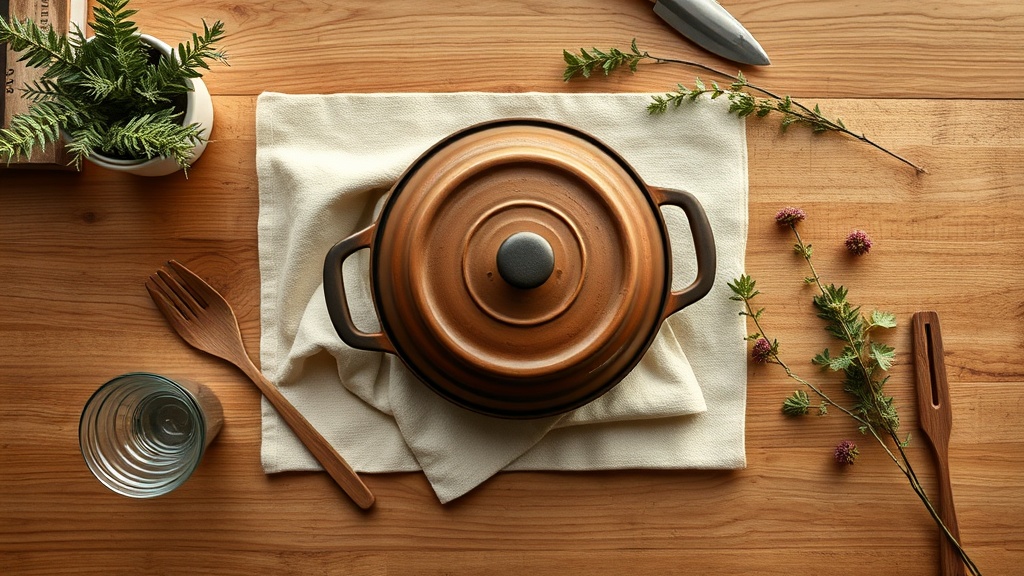
Can glazed pottery leach lead into acidic foods?
Lead-glazed pottery can leach more lead into acidic foods. Use glass or stainless steel for food storage, and avoid cooking acidic foods in untested glazed clay pottery.
Why acidic food matters
Some traditional glazed clay pottery uses lead in the glaze. Acidic foods, such as tomato sauce, citrus, and vinegar-based dishes, can pull that lead out of the glaze and into food. Heat makes this worse.
What the research says
A 2026 study in J Public Health Management and Practice tested 33 glazed clay pottery items sold in Reynosa, Mexico. In the regulatory leaching test, 7 of 8 cookware items exceeded the Mexican maximum level for leached lead.
When researchers cooked traditional foods in the pottery, acidic foods had a median lead level of 103.4 mg/kg. Nonacidic foods had a median of 11.19 mg/kg. That is about 9x more lead from acidic foods.
What to do at home
Do not cook acidic foods in imported, decorative, handmade, or untested glazed clay pottery. Use glass for storage and stainless steel for cooking when possible. Keep decorative pottery decorative unless the maker can show current food-use lead testing.
The research at a glance
| Study | Journal | Year |
|---|---|---|
| Enhanced Leaching of Soluble Lead by Cooking Acidic Food in Glazed Pottery Sold at the Mexico-US Border. | J Public Health Manag Pract | 2026 |
What to use instead
Browse glass kitchen options for storing acidic foods. Use stovetop-safe stainless steel cookware for cooking, and keep untested glazed pottery decorative.
Shop Non-Toxic Kitchen