Can dehp in PVC toys cause developmental delays?
DEHP in a PVC toy is not proven to cause developmental delays by itself. Still, studies link phthalate exposure with child neurodevelopment measures, and soft PVC toys are an easy place to reduce exposure.
What the research says
DEHP is a phthalate. Phthalates are used to soften some PVC plastics. A PubMed-listed study from the U.S. Consumer Product Safety Commission explains that children can be exposed when they mouth or handle PVC toys, because these plasticizers are not tightly bound to the plastic.
That study did not find high risk from the tested items by itself. It also noted that U.S. rules now limit certain phthalates in children's toys and child-care items. The bigger issue is older, secondhand, imported, or vague soft vinyl toys where the material is hard to check.
What this means for development
The developmental research looks at phthalate exposure in the body, not one specific toy. A 2025 child study measured phthalate metabolites, including DEHP markers, and found links between some early-life phthalate exposures and child development scores.
That does not prove one PVC toy causes developmental delays. It does support a cautious approach, especially for babies and toddlers who put toys in their mouths.
What to do at home
Pick wood, stainless steel, cotton, or clearly labeled silicone for toys that get chewed. Be more careful with soft, bendy vinyl toys, mystery hand-me-downs, and toys with a strong plastic smell.
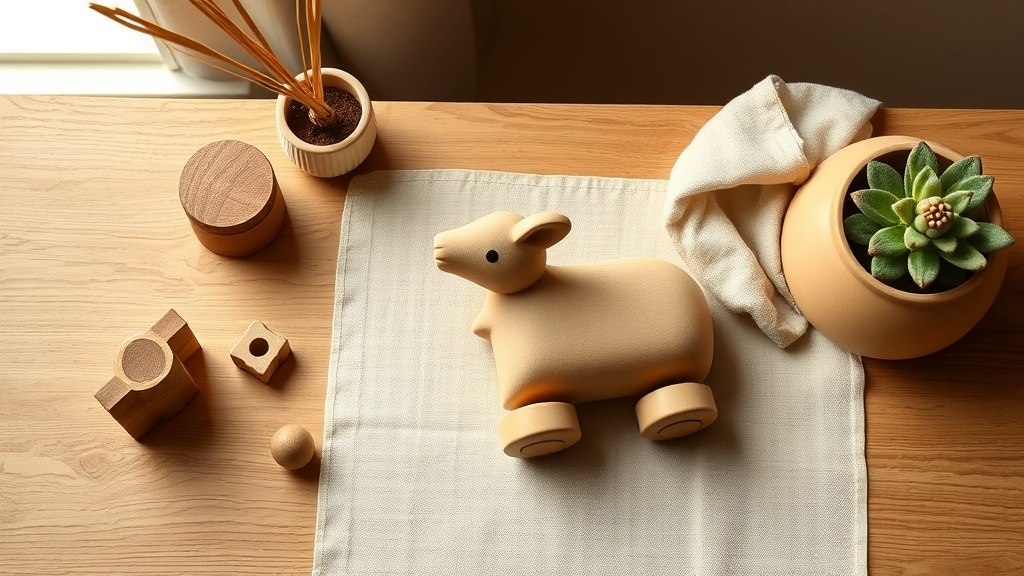
The bottom line: do not panic over one toy. But if you are buying new, choosing wooden toys is a simple way to skip soft PVC and reduce a source of phthalate exposure.
The research at a glance
| Study | Journal | Year |
|---|---|---|
| Plasticizer migration from children's toys, child care articles, art materials, and school supplies. | Regul Toxicol Pharmacol | 2020 |
| Prenatal and early childhood exposure to phthalates and neurodevelopment in 42 months old children. | Neurotoxicology | 2025 |