Can BPA From Plastic Food Containers Affect Insulin Sensitivity?
BPA can move from some plastic food containers into food. A human study also linked BPA exposure with lower insulin sensitivity, so glass storage is a practical swap.
What is the concern?
BPA is a chemical used in some plastics and food-contact materials. The main concern is not the container sitting on a shelf. The concern is BPA moving from plastic into food, then getting into the body.
This risk is higher when plastic is old, scratched, heated, or used with oily foods. Not every plastic container has BPA, but it can be hard to tell at home. For food storage, glass is the easier choice.
What the research says
A 2025 review in Journal of Xenobiotics found that chemicals can migrate from plastic containers into food and medicine. The review included BPA as one of the food-contact chemicals people try to avoid.
A 2026 randomized trial in The Journal of Clinical Endocrinology & Metabolism gave healthy adults oral BPA for 5 days. Compared with placebo, BPA lowered peripheral insulin sensitivity. That means the body did not respond to insulin as well during the study.
What this does and does not mean
This does not prove that one plastic container causes insulin resistance. It does show that BPA exposure can affect insulin sensitivity in people, and that plastic food-contact materials can be one source of exposure.
If your family uses plastic for food, start with the easiest swaps: store leftovers in glass, avoid heating food in plastic, and replace scratched plastic containers. These steps lower food contact with BPA and other plastic additives without making the kitchen harder to use.
The research at a glance
What to use instead
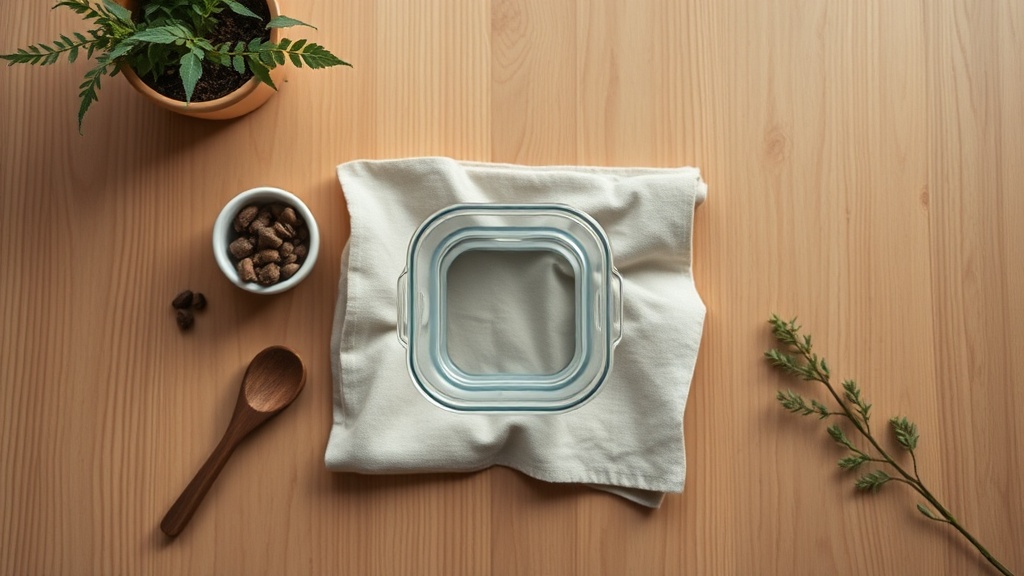
Glass storage is a simple swap for leftovers, dry snacks, and lunch prep when you want less plastic touching food.
Shop Non-Toxic Kitchen