Should you cook hot food with recycled plastic utensils?
avoid
Short answer
Avoid recycled plastic utensils for hot cooking. Recycled plastic can carry mixed additives, and cooking adds heat, oil, scraping, and repeated food contact.
That is too much trust to put in a mystery plastic spoon.
Why this matters
Recycling does not automatically make plastic cleaner. It can mix materials, additives, and contaminants from previous uses.
Hot pans and hot food are where kitchen materials need to be boring and reliable.
What the research says
A 2026 Science of the Total Environment study found phthalates, non-phthalate plasticizers, and organophosphates in recycled plastic pellets made mostly from polyethylene and polypropylene.
A 2026 Food Chemistry study found chemicals transferred from plastic food-contact materials after cooking. A 2026 Food Safety paper explains why migration testing matters for plastic food utensils, containers, and packaging.
What to do instead
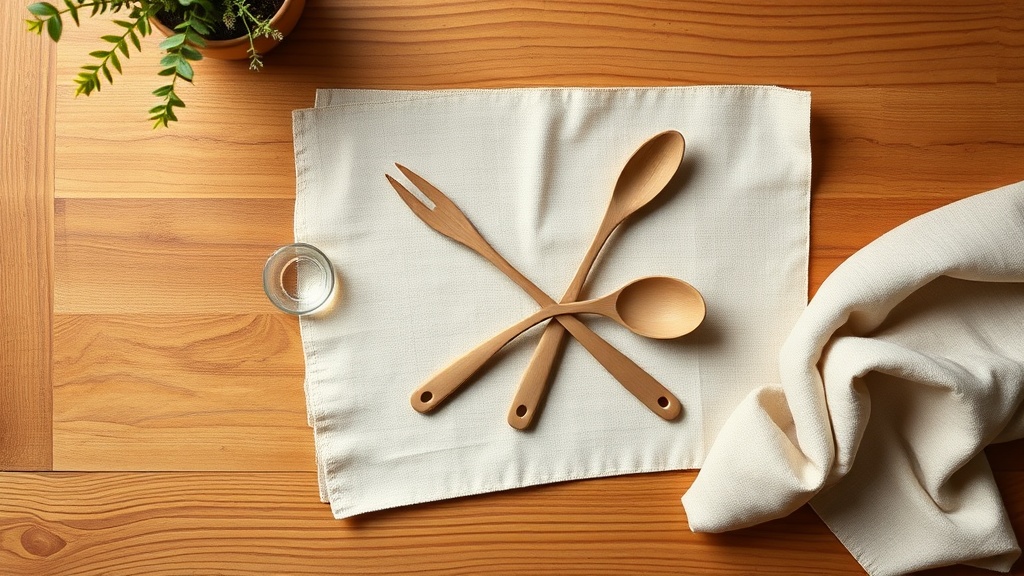
Use wood or stainless steel utensils for hot cooking. Replace melted, scratched, or mystery black plastic tools.
The research at a glance
What to use instead
Olive wood utensils avoid the heat-plus-plastic problem and are a better daily default for stirring hot food.
Shop Non-Toxic Kitchen