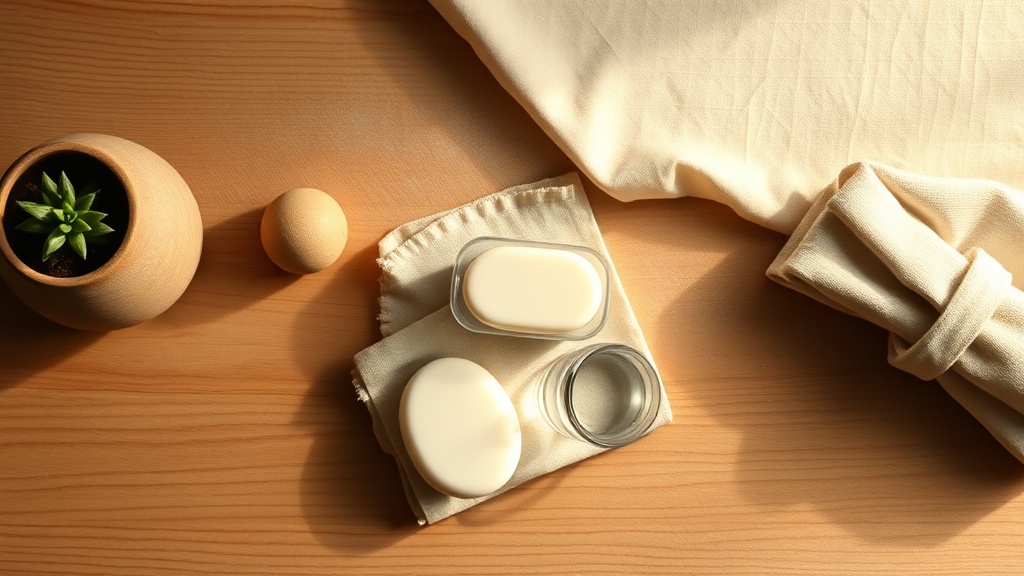
Antibacterial Soap May Be Causing Your Kid's Eczema

NonToxCo Research
Science & Safety Team · 5/5/2026
Antibacterial soap may be giving your kids eczema and allergies. A 2025 study found that exposure to triclosan, the active chemical in many antibacterial soaps and personal care products, is associated with higher rates of allergic disease in children.
What the Research Found
The study, published in a peer-reviewed journal (2025), measured gestational and childhood urinary triclosan concentrations and tracked them against allergic disease outcomes. Both prenatal exposure (in the womb) and direct childhood exposure were measured.
Higher triclosan levels were associated with increased risk of allergic conditions. The prospective study design, which followed children over time, is stronger evidence than cross-sectional studies. Triclosan may increase risk of allergic diseases in children.
Triclosan Was Banned From Hand Soap, But It's Still Everywhere
The FDA banned triclosan from consumer hand soap in 2016, but it remains in toothpaste, medical-grade products, and some other personal care items. It's also found in laundry products and clothing labeled "antimicrobial" or "odor-resistant." It absorbs through skin and lingers in the body.
Plain soap and water clean hands just as effectively as antibacterial soap. The American Medical Association said this in 2001. No added antibacterial chemical needed.
Switch to fragrance-free, triclosan-free castile soap or simple plant-derived soaps. Browse organic cotton home goods for cleaning products without triclosan.
Also see materials-forward kitchen essentials for safer alternatives.
Protect your family first
Baby and family protection scan: Review nursery, feeding, and daily-contact setup together with a short score pass.
Take the Home Toxicity Score quiz and get a room-by-room action list for this topic.
Shop baby-safe essentials · Check ingredient safety before buying · Build safer room habits.
Start with one product swap this week, then rerun the quiz to track progress.
Next safest steps
Use these resources to reduce exposure and choose safer swaps: