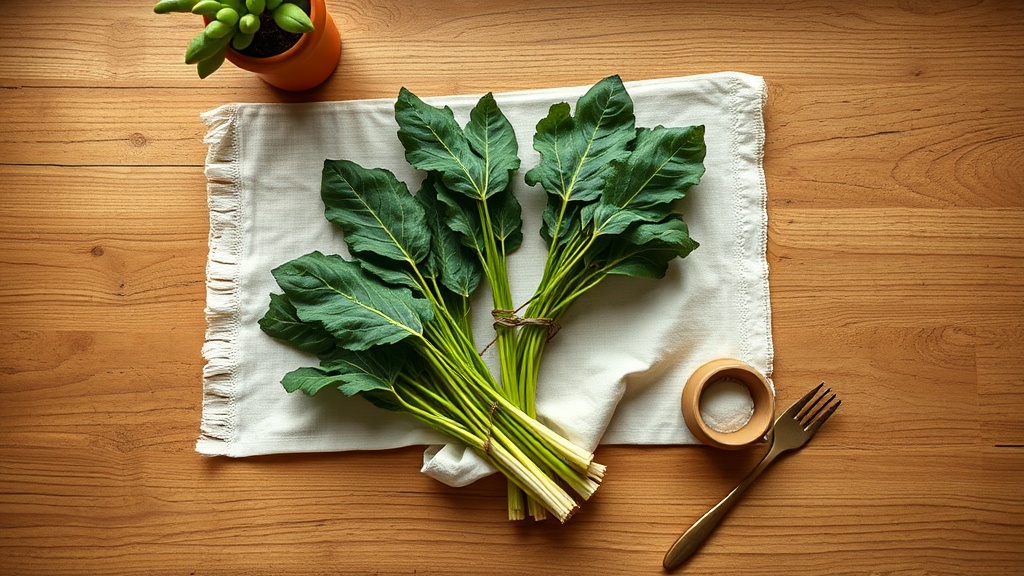
Can homegrown vegetables absorb PFAS forever chemicals from soil and water?
Yes. A 2026 review found that food plants absorb PFAS from contaminated soil and irrigation water, with leafy greens and root vegetables accumulating the most.
What's actually in it
PFAS (per- and polyfluoroalkyl substances) are synthetic chemicals that don't break down in the environment. They're called "forever chemicals" because they persist in soil and water for decades. PFAS get into garden soil through contaminated water, biosolids (treated sewage sludge used as fertilizer), and airborne deposition from nearby industrial sources.
Once PFAS are in the soil, plant roots can take them up along with water and nutrients. The chemicals then travel through the plant and accumulate in the parts you eat: leaves, roots, and fruits.
What the research says
A 2026 review in J Agric Food Chem examined the potential for food plants to contribute to human PFAS intake. The researchers compiled data on which plants absorb PFAS, how much they take up, and which growing conditions make the problem worse.
Leafy greens like lettuce, spinach, and kale were among the highest accumulators. Root vegetables like carrots and potatoes also took up measurable amounts. Fruiting plants like tomatoes and peppers absorbed less, but they weren't PFAS-free.
The amount a plant absorbs depends on several factors: how much PFAS is in the soil, the type of PFAS (shorter-chain PFAS move into plants more easily), and whether the garden is irrigated with contaminated water. Gardens near airports, military bases, and industrial sites tend to have higher soil PFAS levels.
The review found that for people growing food in contaminated areas, homegrown vegetables could be a meaningful source of daily PFAS exposure. This adds to what you're already getting from food packaging, drinking water, and nonstick cookware.
If you're concerned, you can get your soil tested for PFAS through your local agricultural extension office. Avoid using biosolids or unknown compost sources as fertilizer. And if your soil tests high, raised beds with clean, imported soil are a practical workaround for safer backyard gardening.
The research at a glance
| Study | Journal | Year |
|---|---|---|
| Review: Potential of Food Plants to Contribute to Human Intake of Per- and Polyfluoroalkyl Substances. | J Agric Food Chem | 2026 |
What to use instead
Browse our vetted, non-toxic alternatives. Every product is third-party certified.
Shop Non-Toxic Kitchen