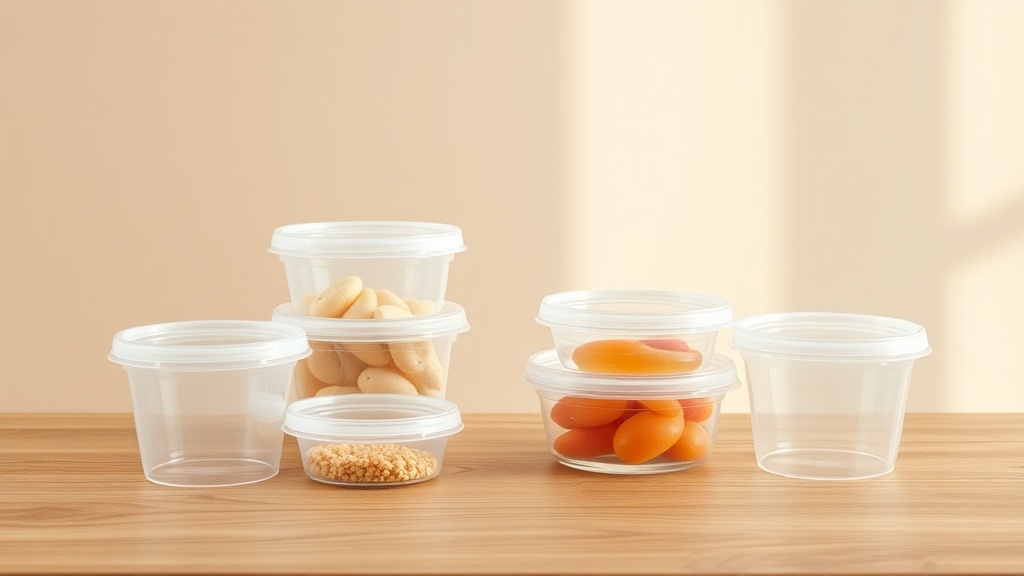
Are Bioplastic Food Containers Safe? The Truth About Microplastics

NonToxCo Research
Science & Safety Team · 3/29/2026
The Greenwashing Trap
You see a container labeled "plant-based" or "biodegradable" and assume it's a safer choice. A 2026 study published in the Journal of Hazardous Materials suggests you should think twice. Researchers analyzed various e-commerce food containers and found that many labeled as eco-friendly were actually made of polypropylene (PP) mixed with plant fiber additives. This is textbook greenwashing.
What the Science Says
The study tested the cytotoxicity of microplastics shed from these containers on Caco-2 cells. While none of the tested microplastics caused acute toxicity at the 1 mg/mL dose, the polypropylene-based microplastics induced cellular stress in up to 25% of the cells. You are essentially paying a premium for plastic that still leaches particles into your food.
Ditch the Plastic
If you want to avoid microplastics, don't rely on "bio-based" marketing claims. These labels are often used to hide standard synthetic polymers. The only way to ensure your food isn't contaminated by degrading plastic is to switch to inert materials like glass, stainless steel, or solid wood. We have curated a selection of non-toxic kitchen alternatives that don't rely on deceptive "bioplastic" marketing. It's time to stop trusting the label and start trusting the material.
Source: Marazuela MD, Klaiber M, Domene A, Mateos R, Ramos S (2026). J Hazard Mater.